 Save
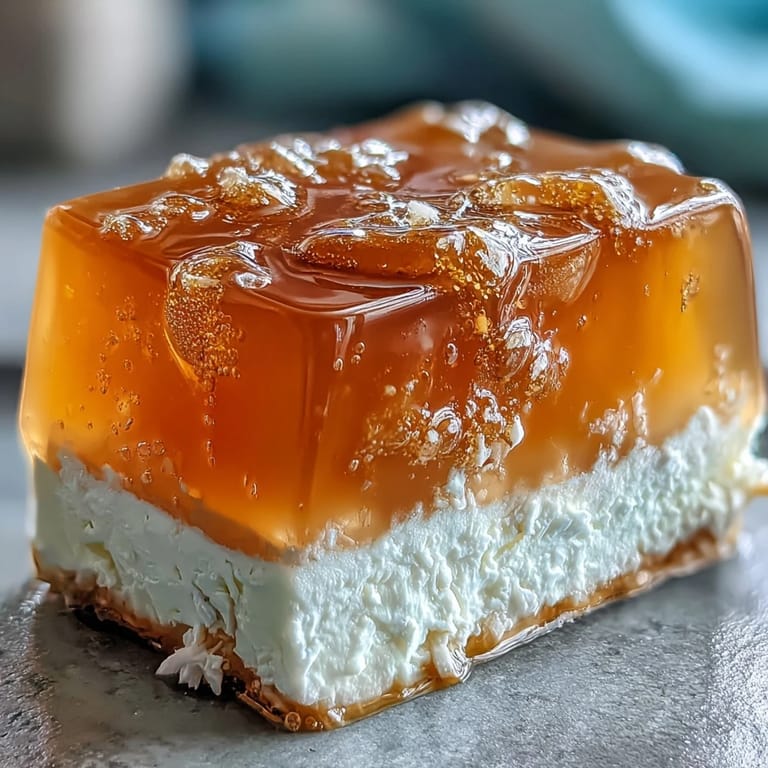
Save The first time I made mango agar-agar jelly cubes began as a plan to beat the sticky afternoon heat with something light and cooling. My kitchen filled with the lush sweetness of ripe mangoes while the agar bubbles gently ticked on the stove—I'll never forget how quietly cheerful that moment felt. Instead of the usual layered jelly, I wondered, what if mango and coconut could stack as bright flavors, not just colors? That curiosity led to a treat with sunshine in every bite, perfect for sharing or sneaking from the fridge late at night. It's one of those desserts that comes together with little fuss but lingers brightly in memory.
I made this mango jelly for a casual garden lunch when the air felt thick enough to swim through. As I sliced through the jiggly layers, my friend insisted on "taste-testing" the edges and we ended up sharing stories between sticky fingers and laughter—somehow the dessert made everything slow down and shimmer.
Ingredients
- Ripe mangoes: Choose fragrant, slightly soft mangoes for fullest flavor; blitzing very ripe fruit gives the brightest color and smoothest texture.
- Water: Always use cold water to help the agar powder bloom well with the mango mixture.
- Sugar: Adjust to your preference—taste your mangoes first, as their sweetness can vary wildly.
- Lemon juice: Just a touch sharpens the mango and keeps the color lively.
- Agar-agar powder: Measure carefully and sprinkle evenly, whisking in well so your jelly sets with a clean bite.
- Coconut milk: Full-fat coconut milk gives the second layer a rich, creamy finish; always stir the can thoroughly before using so it doesn't separate.
- Vanilla extract: Adds warmth and depth against the coconut, but go gently—too much can mask the fruit.
Tired of Takeout? 🥡
Get 10 meals you can make faster than delivery arrives. Seriously.
One email. No spam. Unsubscribe anytime.
Instructions
- Blend your mangoes:
- Peel and cube fresh mangoes, then blend them with water, sugar, and lemon juice until satiny smooth—pause and dip a spoon in, just to smell that promise of sunshine.
- Dissolve and simmer:
- Whisk the agar powder thoroughly into the mango puree in your saucepan. Stir continuously as you bring it to a bubble on medium heat, and let it simmer for two minutes so the agar completely disappears into the mixture.
- Chill the mango base:
- Pour your warm mango layer into a square mold and let it sit for about ten minutes to lose its steam, then nudge it into the fridge until the top is matte and set but still jiggles slightly—this usually takes about 45 minutes.
- Start the coconut layer:
- Combine coconut milk, sugar, vanilla, and agar-agar powder in a saucepan, stirring often as it gently simmers for two minutes, filling the air with subtle sweetness.
- Layer and chill again:
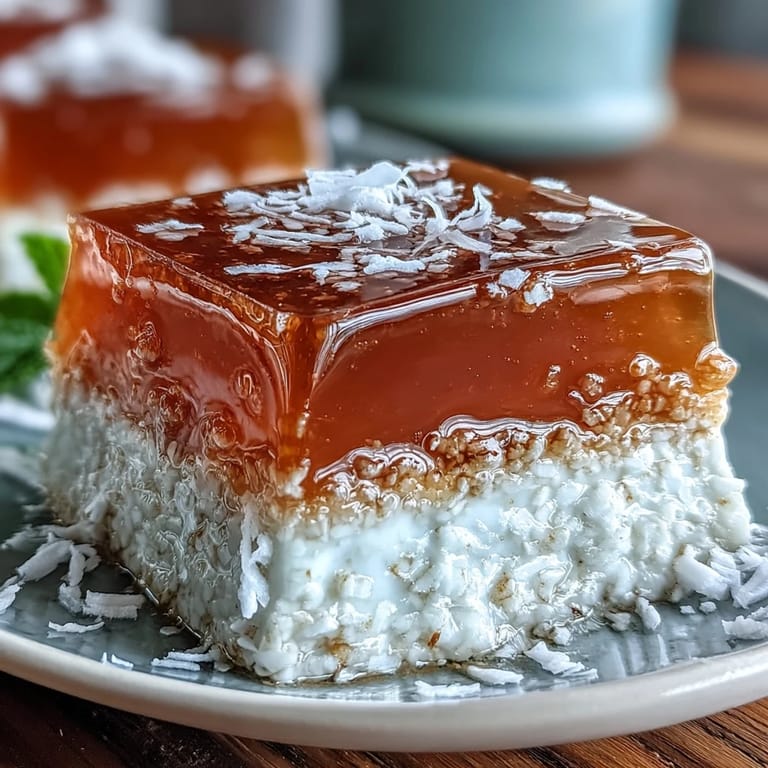
- Gently pour the warm coconut mixture over the mango base (hold a spoon close to soften the pour if needed), let it cool, then return to the fridge for at least 1 1/2 hours until everything is firmly set.
- Slice and serve:
- Run a sharp knife under warm water, cut into neat cubes, and serve cold—watch people’s eyes light up at the first bite.
 Save
Save 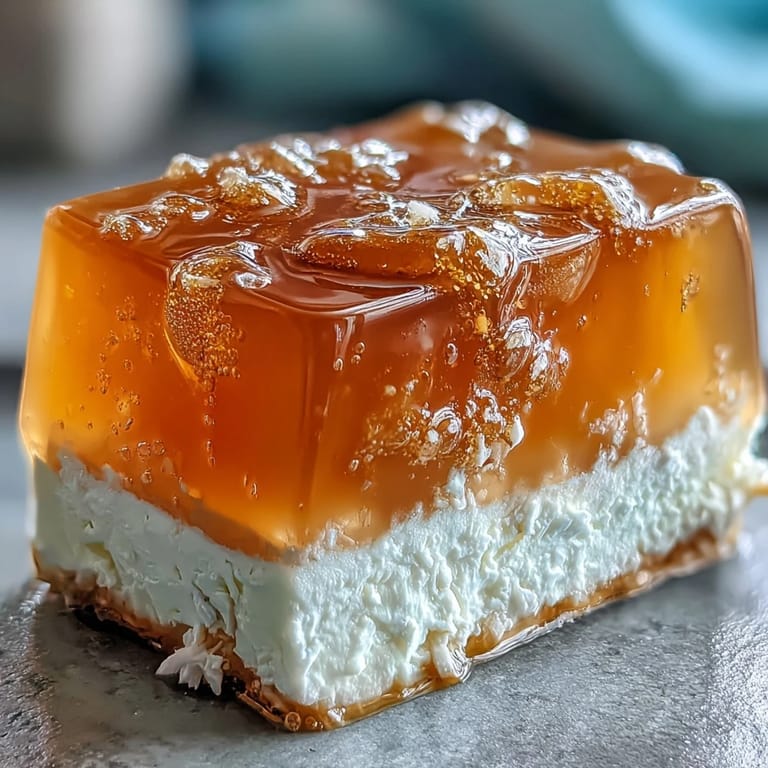 Save
Save One evening, a small bowl of leftover jelly cubes made their way to the balcony while lightning flickered far off. I realized the dessert had become more than just a snack—it felt almost like a calm, edible keepsake from an unexpectedly joyful day.
Choosing Mangoes That Shine
Working with very ripe mangoes changed everything: they’re easier to blend, sweeter naturally, and turn the mango layer almost neon gold. If you’re at the market, let scent and a bit of give at the stem guide you, rather than color alone. I once picked a greenish mango by mistake and the flavor was disappointing, so I learned to trust my nose and thumb over my eyes. Even slightly stringy mangoes will smooth out with a good blender, but nothing salvages a bland one. Don’t be shy to taste before you add sugar—a truly ripe mango won’t need much help.
Getting Perfect Layers
Patience is the real trick here—let each layer set just enough so they stay defined but blend slightly where they meet, giving a soft, appealing seam. If you pour the coconut too quickly, it’ll melt straight into the mango, but if you wait too long, the layers can separate when cut. Once, in a hurry, I rushed the process and ended up with swirls instead of layers; still tasty but not what I’d envisioned. Now, I check with a fingertip for just the right jiggle before adding the next layer. It turns the whole thing into a bit of a kitchen game.
Opportunities to Improvise and Serve
Sometimes I toss diced mango or a few passion fruit seeds into the mango layer for a pleasant pop, and other times I dust the finished cubes with a pinch of toasted coconut just before serving. Tiny variations—like a dash of lime or a drizzle of palm syrup—keep the dessert feeling fresh each time I make it. Even serving these in little cups or cut into playful shapes gets a smile out of lingering guests. Play around for your occasion—it’s a forgiving, joyful dessert.
- If cutting ahead, store cubes loosely layered with baking paper to keep them pristine.
- A small offset spatula makes clean lifts out of the mold a breeze.
- A pinch of salt in the coconut milk turns every bite from sweet to sublime—don’t skip it.
 Save
Save  Save
Save Every time I serve these mango and coconut jelly cubes, I’m reminded how simple things can quietly delight. Here’s hoping they bring a bright, refreshing pause to your day too.
Common Questions
- → Can I substitute agar-agar with gelatin?
Gelatin sets differently and is not plant-based; textures will be softer and slightly elastic. If using gelatin, reduce the quantity and note the dish will no longer be vegan.
- → How ripe should the mangoes be?
Use very ripe, fragrant mangoes for the best sweetness and aroma. Two large mangoes (≈400 g flesh) yield a bright, smooth mango layer without extra sweeteners.
- → How long can I store the jelly cubes?
Store covered in the refrigerator for up to 2–3 days. Keep them chilled to maintain texture and freshness; avoid freezing, which alters the mouthfeel.
- → How do I prevent the coconut layer from mixing into the mango?
Chill the mango layer until just set but still slightly tacky. Cool the coconut mixture to warm (not piping hot) before pouring and pour gently to avoid breaking the mango surface.
- → Can I use light coconut milk or other fruit purées?
Full-fat coconut yields a creamier set; light coconut milk produces a thinner layer and may need slightly more agar-agar. You can swap mango for pineapple or passion fruit purée for a tart variation.
- → Why add a pinch of salt to the coconut layer?
A small amount of salt heightens the coconut's natural sweetness and balances the flavors without making the dish salty.