 Save
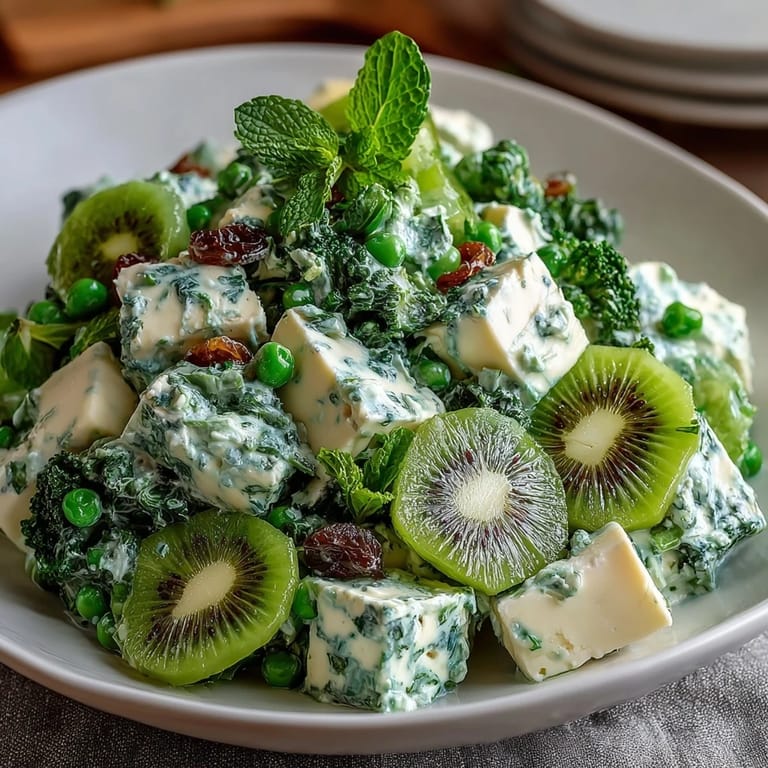
Save My sister called me three days before St. Patrick's Day in a panic—she'd volunteered to bring snacks to the neighborhood block party and suddenly realized green food boards were having a moment. I was chopping kiwis in my kitchen when she arrived, and we both laughed at how perfect the timing was. Within twenty minutes, we'd transformed my dining table into something that looked like it belonged in a magazine, except it tasted even better than it looked. That afternoon taught me that the best entertaining doesn't require cooking at all, just thoughtful assembly and a little color coordination.
I watched my eight-year-old nephew stand in front of the finished board for a solid minute, just taking it in with wide eyes. He'd been skeptical about green food in general until that moment, but something about seeing it all arranged together—the bright limes mixed with deeper forest tones, the way the white cheddar popped against the celery—shifted his whole perspective. He ended up eating more vegetables that evening than he had in months, all because they were part of something that felt special and intentional.
Ingredients
- Green grapes: Choose firm ones that still have a slight bloom on them, and keep them whole—they add little bursts of sweetness between the savory elements.
- Kiwis: Peel and slice just before assembling so they stay bright and don't oxidize into a dull brown.
- Green apple: A Granny Smith or Honeycrisp gives you that crisp snap and slight tartness that balances the sweeter fruits.
- Honeydew melon: Cut into cubes rather than slices so they're easy to grab and don't weep liquid all over the board.
- Cucumber: Leave the skin on for color and nutrients, and slice on a slight angle for a more interesting visual.
- Sugar snap peas: These stay crisp for hours and look beautiful raw—no cooking needed.
- Broccoli florets: Cut them smaller than you think you need to; they're less intimidating in bite-sized pieces.
- Celery sticks: Cut them at an angle and place them standing up in clusters to create height and movement on your board.
- Green bell pepper strips: Sweet and crunchy, they're the workhorse vegetable that no one expects but everyone eats.
- White or Irish cheddar: The creamy richness is essential here, and cubing it makes it easier to pair with fruit than slices would.
- Herbed cream cheese or Boursin: This becomes the anchor dip—smooth enough to spread on crackers but flavorful enough to stand on its own.
- Guacamole: Make or buy it the day of, and if you're making it, add lime juice to keep it from browning and to add brightness.
- Green goddess dressing: If you can't find it ready-made, mix ranch with fresh basil and tarragon for that herby depth.
- Green tortilla chips: They're less processed tasting than regular tortilla chips and pick up the St. Patrick's Day theme without being too on-the-nose.
- Wasabi peas: These have an addictive heat that keeps people coming back for more, so don't skimp on them.
- Green olives: Pitted is non-negotiable here—no one wants to fumble with pits when they're standing and mingling.
- Pistachios: Their nutty flavor and natural green color make them feel more elegant than you'd expect from such a casual snack.
- Green gummy candies or mint chocolate: These remind everyone that this is a celebration, not just vegetables, so include them even if they feel silly.
Tired of Takeout? 🥡
Get 10 meals you can make faster than delivery arrives. Seriously.
One email. No spam. Unsubscribe anytime.
Instructions
- Prep your produce thoroughly:
- Wash and completely dry all fruits and vegetables—any lingering moisture will make your board soggy and cause items to slip around. Pat everything down with paper towels as if you're tucking them into bed.
- Slice with intention:
- The apple, kiwis, cucumber, and honeydew should all be sliced or cubed just before assembly, and try to cut them at varying angles and thicknesses so the board feels dynamic. Thin slices show off the colors better than thick chunks.
- Start with the foundation:
- Arrange your larger items first—the broccoli clusters and celery sticks create the structure, so place them where they create little pockets for everything else to nestle into. Think of this step like setting the stage before the actors arrive.
- Layer in the fruits and vegetables:
- Fill in around your foundation pieces with the sliced fruits, snap peas, and bell pepper strips, arranging them in small clusters by type rather than scattering them randomly. This creates visual order that actually makes people more likely to try things.
- Position your dips strategically:
- Place small bowls of cream cheese, guacamole, and dressing where they can be easily reached and won't require people to reach across the whole board. Leave a little space around each bowl so it doesn't get surrounded and forgotten.
- Tuck in the savory snacks:
- Fill any remaining gaps with tortilla chips, wasabi peas, olives, and pistachios, grouping them so that a handful of one type stays together rather than mixing everything. This gives people clear choices.
- Finish with the sweet notes:
- Scatter the green candies and chocolate pieces strategically across the board—not concentrated in one corner, but sprinkled throughout so people discover them. This is your final flourish, your chance to make someone smile when they reach for what they thought was a vegetable.
- Add fresh herbs if you have them:
- A few springs of mint or flat-leaf parsley tucked between items add fragrance and make the whole board feel intentional, like you planned every detail.
- Serve with confidence:
- Step back and look at what you've created before people arrive, adjusting anything that feels off-balance or sparse. You've just made something beautiful and delicious in twenty minutes.
 Save
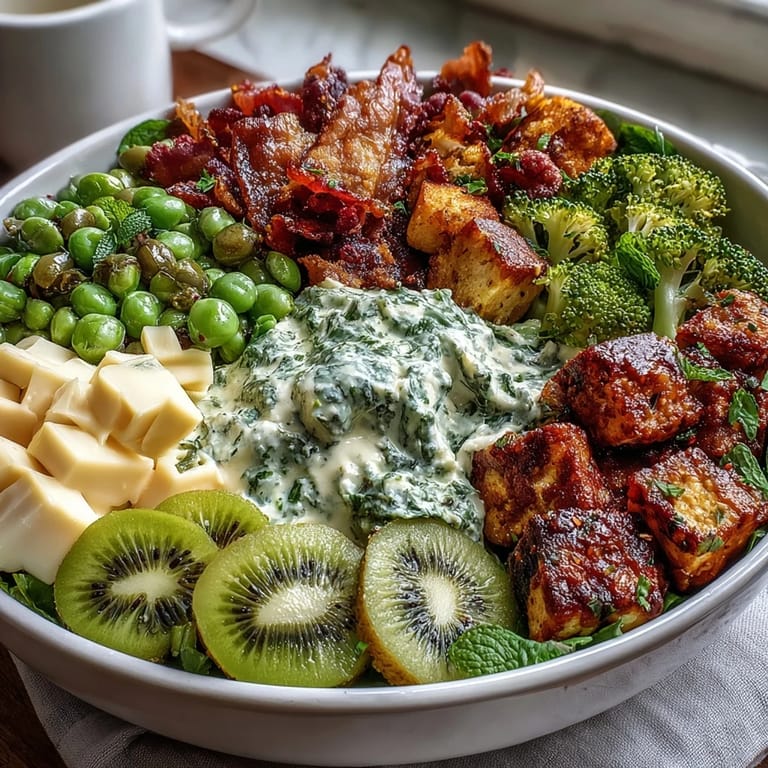
Save A few months after that St. Patrick's Day party, a neighbor mentioned she'd been inspired to make boards for everything—birthdays, book clubs, lazy Sunday afternoons. What started as a quick fix for my sister's party anxiety had somehow become a template that other people were adapting and making their own. That's when I realized that the real magic of a board isn't the ingredients themselves, but how it gives people permission to gather and graze without the formality of a sit-down meal.
The Art of Board Assembly
Building a board is less like following a recipe and more like composing a photograph. You want contrast—soft against crisp, smooth against bumpy, mild against bold. When I first started making boards, I treated them like I was filling space, but I learned that negative space actually matters. Leaving a little room to breathe between clusters makes the board feel curated rather than overstuffed, and it gives people's eyes a place to rest when they're deciding what to grab.
Why Color Matters More Than You Think
The moment my friend Rachel saw the green board, her first comment was, 'This just feels happy.' I'd never thought about food that way before, but she was right—color triggers emotion before taste even enters the picture. Green specifically feels fresh and celebratory and alive, which is exactly what you want people to feel when they're gathered together. If you were building a different board—autumn vegetables or summer berries—the principle would be the same: choose your color story first, then build the flavors around it.
Making It Work For Your Crowd
The beauty of a board is that it accommodates every dietary preference without making it a thing. Your vegan friend grabs the fruits, nuts, and olives. Your dairy-loving cousin makes a beeline for the cheddar. The kid who won't eat vegetables suddenly discovers that snap peas are actually fun to eat. You're not catering to different diets—you're just providing choices and letting people navigate them on their own terms.
- If you need to make it vegan, swap the cheese for a quality cashew or almond-based option and use dairy-free herbed spread.
- Add Irish soda bread slices or seeded crackers if you want something more substantial for guests who skip meals before parties.
- Keep the dips in separate containers until the last minute so flavors stay distinct and people can taste each one clearly.
 Save
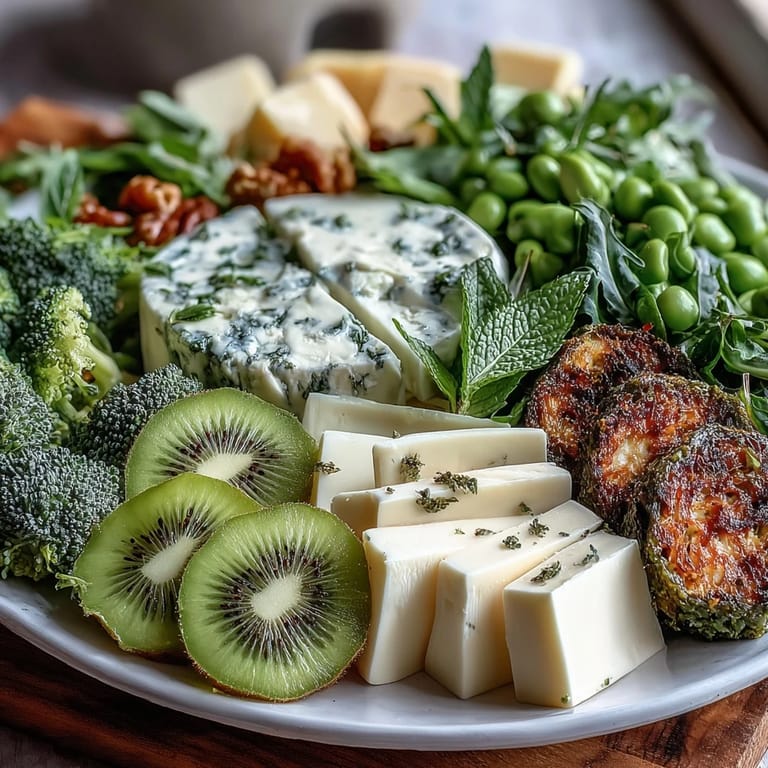
Save A green board takes twenty minutes and zero cooking skills, but somehow it makes people feel celebrated. That's really all you need to know.
Common Questions
- → What green fruits are featured on the board?
Green grapes, kiwi slices, green apple, honeydew melon, and cucumber are included for fresh, crisp flavors.
- → Can this board accommodate dietary preferences?
Yes, it can be adapted for vegetarian and gluten-free diets by choosing appropriate cheeses, dips, and snacks.
- → What types of cheeses are suggested?
White or Irish cheddar cubes, herbed cream cheese, or Boursin offer creamy, savory elements to the board.
- → Are there any suggested pairings for this board?
Pair it with sparkling apple cider or a crisp Sauvignon Blanc to complement the fresh and savory flavors.
- → How should the board be arranged for best presentation?
Arrange fruits and vegetables artfully on a large platter, adding cheeses, dips, savory snacks, and sweet treats in separate clusters for visual appeal.
- → What allergen considerations are there?
The board contains dairy, nuts, and possibly gluten in some snacks; checking labels is advised.