 Save
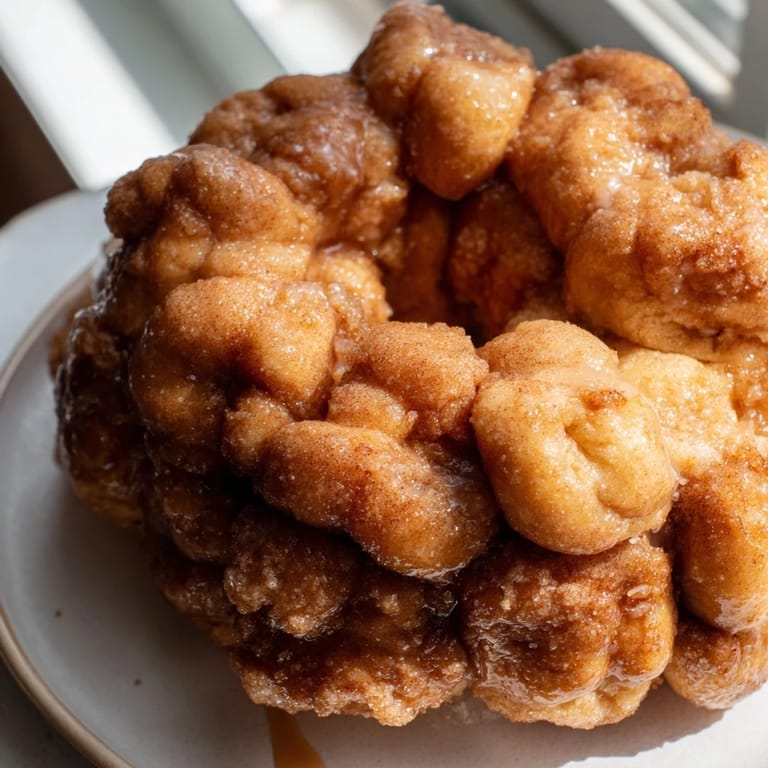
Save My neighbor handed me a warm pull-apart loaf through her kitchen window one Sunday morning, steam still rising from the cinnamon-sugared knots, and I couldn't stop eating pieces until it was gone. That was my first encounter with monkey bread, and I've been chasing that sticky, caramel-threaded magic ever since. There's something about the way each ball surrenders to your fingers, how the butter pools at the bottom of the pan like liquid gold. It's the kind of bread that makes you feel like you've done something special, even though the work is mostly just rolling and waiting. Now it's my go-to when I want the house to smell like a bakery without the fuss.
I made this for my book club once, expecting people to eat a slice with coffee, and instead they stood around the cooling rack pulling pieces apart with their hands like we were at a fair. One friend said it reminded her of childhood carnivals, another asked if I'd sell it to her on weekends, and suddenly I understood why it's called monkey bread—because once you start, you can't stop grabbing.
Ingredients
- All-purpose flour (500 g): The foundation of tender, yeasty dough—don't substitute with bread flour or it'll get tough.
- Instant dry yeast (7 g): Use the instant kind, not active dry, because it incorporates into the dough without pre-blooming and gives you a smoother rise.
- Granulated sugar for dough (60 g): Feeds the yeast and adds subtle sweetness to the base—this is different from the coating sugar.
- Salt (1 tsp): Don't skip this; it strengthens the gluten and deepens the flavor without tasting salty.
- Warm milk (180 ml): Around 110°F is ideal—too hot kills the yeast, too cold and it won't activate properly.
- Unsalted butter, melted (60 g for dough): Adds richness and tenderness to the crumb; melted butter incorporates evenly.
- Large eggs (2): They bind the dough and contribute moisture and lift to the final texture.
- Granulated sugar for coating (200 g): Combined with cinnamon, this creates the caramelized shell everyone reaches for first.
- Ground cinnamon (2 tsp): Fresh cinnamon makes a huge difference—stale spices taste flat and dusty.
- Unsalted butter, melted (115 g for coating): Allows the cinnamon sugar to cling to every ball—this is where the sticky magic happens.
- Powdered sugar (120 g, optional): For a drizzle glaze that catches in the nooks and adds sweetness on top.
- Milk and vanilla for glaze: Just a few tablespoons to thin the powdered sugar into a pourable consistency.
Tired of Takeout? 🥡
Get 10 meals you can make faster than delivery arrives. Seriously.
One email. No spam. Unsubscribe anytime.
Instructions
- Mix and knead the dough:
- Combine your flour, yeast, sugar, and salt in a large bowl, then add the warm milk, melted butter, and eggs all at once. Stir until shaggy, then knead by hand or mixer for 5–7 minutes until the dough is smooth, elastic, and slightly tacky. You'll feel the transformation under your hands—from rough to silky.
- Let it rise:
- Oil a bowl, plop your dough in, cover it with a towel or plastic wrap, and tuck it in a warm spot for an hour. It should roughly double in size—you'll know it's ready when a gentle poke bounces back slowly.
- Prepare your coating station:
- Whisk together the granulated sugar and cinnamon in one shallow bowl, pour melted butter into another, and have your greased bundt pan ready. Organization makes the next steps feel like an assembly line.
- Punch and shape:
- Push down the risen dough, then cut or tear it into about 40 small pieces, roughly the size of walnuts. Roll each one between your palms into a smooth ball—they don't need to be perfect.
- Coat and layer:
- Dip each ball into the melted butter, then roll it in the cinnamon sugar until coated, and place it in the bundt pan. Layer them in a single layer if possible, but it's okay if they nest a bit—that's where the caramel pools.
- Second rise:
- Cover the bundt pan loosely and let it sit in that warm spot for 20–30 minutes until the dough balls look slightly puffed and soft. They won't double again, but they'll rise enough to bake into one connected loaf.
- Bake to golden:
- Preheat your oven to 350°F and bake for 30–35 minutes until the top is golden brown and a skewer inserted into the center comes out clean. The house will smell impossible by minute fifteen.
- Cool slightly, then flip:
- Let the bread cool in the pan for exactly 10 minutes—long enough to set, short enough that the caramel hasn't hardened. Run a thin knife around the edges, place your serving plate on top, and flip with confidence.
- Glaze if you like:
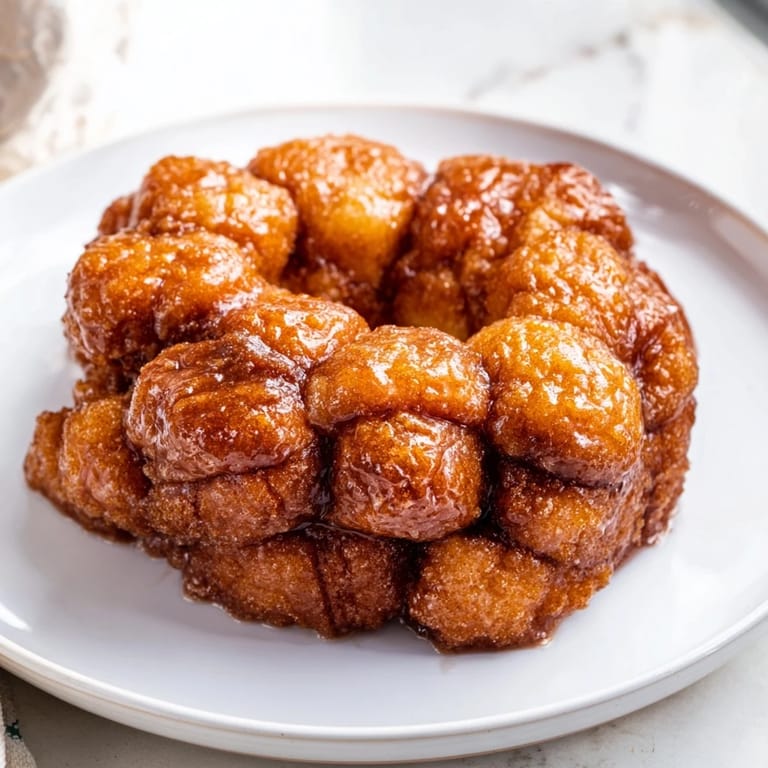
- Whisk powdered sugar with a little milk and vanilla until it's thin enough to drizzle but thick enough to cling. Drizzle it over the warm bread so it settles into the crevices.
 Save
Save A friend's five-year-old sat on a stool watching me assemble the last loaf and asked if each ball had a different flavor, which made me realize that monkey bread isn't really about the bread at all—it's about the ritual of breaking and sharing, the tactile joy of pulling apart something warm with your hands instead of cutting it with a knife like a normal person would.
Why the Bundt Pan Matters
A bundt pan isn't just for show—its ridged sides mean more surface area gets caramelized, and the center tube ensures even heat distribution so the middle isn't gummy while the edges are crispy. The hole in the center also makes the final presentation look bakery-level impressive, which is the whole psychological point when you're feeding this to people you care about. I've tried sheet pans and round cake pans out of desperation, and they just don't deliver the same magic.
Timing and Temperature
The difference between a perfect loaf and a mediocre one often comes down to temperature and timing rather than ingredients. If your kitchen is cold, your rises will stretch longer—which is actually fine, slow rises develop flavor. If it's warm, keep an eye on the dough so it doesn't over-proof and collapse on itself. The yeast is forgiving, but neglect is your only real enemy.
Make It Your Own
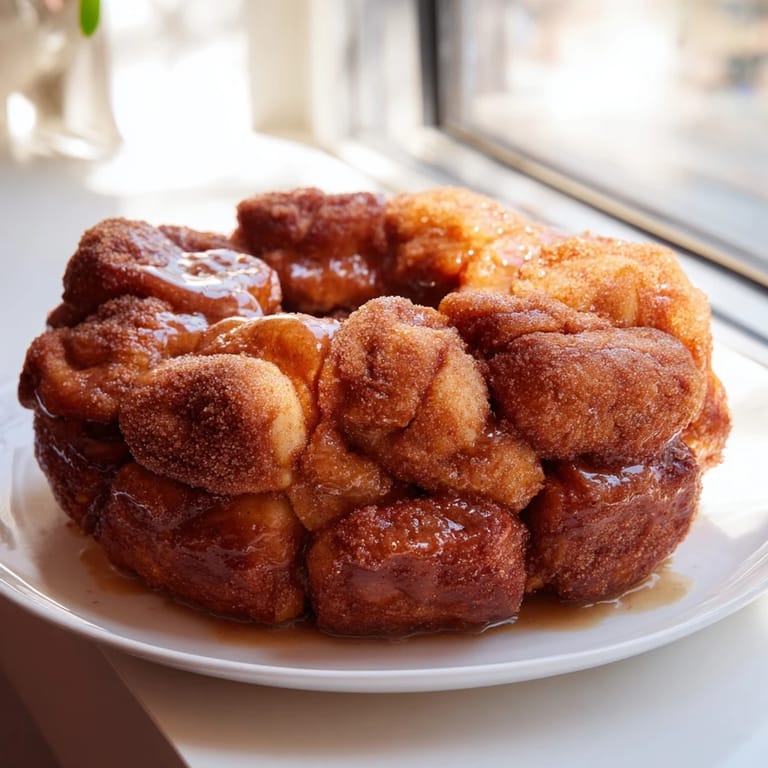
Once you've made this once and felt confident, that's when the fun starts. I've scattered chopped pecans between the layers, swapped in brown sugar mixed with extra cinnamon for a deeper flavor, and even tried a cardamom-sugar coating that tasted like a fancy spice market. The base recipe is your canvas—the technique is what matters.
- Pecans or walnuts tucked between the layers add crunch and richness without changing the structure.
- A splash of almond extract in the glaze transforms the whole experience with just half a teaspoon.
- Bake this the night before and reheat gently in a 300°F oven for 10 minutes if you want the caramel to reactivate and the bread to feel fresh again.
 Save
Save Monkey bread isn't fancy, but it's the kind of food that makes ordinary mornings feel like an occasion. Serve it warm with coffee or chai, and watch how quickly it disappears.
Common Questions
- → How do I achieve the sticky texture?
Coating each dough ball in melted butter and cinnamon sugar before baking ensures a sticky, sweet finish once baked.
- → Can this bread be prepared ahead?
Yes, you can prepare the dough and let it rise, then assemble the dough balls in the pan. Cover and refrigerate overnight before baking.
- → What alternatives can I use for all-purpose flour?
All-purpose flour yields the best texture, but bread flour can be used for a chewier crumb; gluten-free blends may alter the rise and texture.
- → Is there a way to make it less sweet?
Adjust the cinnamon sugar coating amount or skip the optional glaze to reduce sweetness to your preference.
- → What's the best way to store leftovers?
Keep leftovers covered at room temperature for up to two days or refrigerate wrapped tightly to maintain freshness.