 Save
Save The first time I baked these Taurus Birthday Cupcakes, the kitchen filled with that lush, warm scent of vanilla and melted butter before I even had a chance to sneak a taste. I remember searching for just the right color for the buttercream, swirling shades of orange and brown with cautious optimism. The whole process felt like painting—each cupcake a tiny earthy celebration. Even as a quick midweek project, the transformation from simple batter to gem-like frosting brought so much joy. The subtle cinnamon in the terracotta icing was an unexpected hit, and now I can’t imagine celebrating Taurus season any other way.
On my roommate’s birthday, I whipped up a batch of these and ended up frosting them on the balcony, the spring sun catching little cinnamon flecks in the icing. We couldn’t resist eating one (okay, two) before most of the guests arrived—frosting smeared and caught in laughter. It became one of those accidental traditions, with buttercream smudges marking another year.
Ingredients
- All-purpose flour: Choose a good quality flour for a tender crumb, and I’ve found sifting it gives an even lighter cupcake.
- Granulated sugar: White sugar gives classic sweetness and helps create that fluffy texture—don’t pack it down when measuring.
- Light brown sugar: A touch of brown sugar adds warmth and a hint of caramel complexity.
- Baking powder: Make sure it’s fresh so you get a tall, well-risen cupcake every time.
- Fine sea salt: Just a pinch brightens all the flavors, so don’t skip it.
- Unsalted butter (for both cake and buttercream): Room temperature butter creams smoothly—cut it into cubes to speed up softening if you’re impatient like me.
- Large eggs: Let them come to room temperature for easy mixing; cold eggs can make your batter curdle.
- Whole milk: Full-fat milk makes these cupcakes rich and moist (oat milk works well for a dairy-free swap, in my experience).
- Pure vanilla extract: Don’t skimp on quality—real vanilla makes every bite fragrant and special.
- Powdered sugar: Sifting it is worth the effort to get the silkiest buttercream.
- Milk or cream (for frosting): Just a splash loosens the frosting to perfect spreadability; cream gives extra richness.
- Cinnamon: This is what gives the buttercream its subtle warmth and makes it so memorable.
- Natural cocoa powder: Only a small amount is needed—use natural, not Dutch-processed, for color and gentle earthiness.
- Gel food coloring in orange, red, and a touch of brown: Start with tiny amounts and blend to your favorite terracotta shade; it’s surprisingly fun to play with.
- Pinch of fine sea salt (for buttercream): Balances the sweetness and lets the flavors pop.
Tired of Takeout? 🥡
Get 10 meals you can make faster than delivery arrives. Seriously.
One email. No spam. Unsubscribe anytime.
Instructions
- Prep the oven and pans:
- Set your oven to 350°F (175°C) and tuck liners into your muffin pan—this simple step always makes me feel like baking is about to get serious.
- Mix the dry ingredients:
- In a big bowl, whisk together the flour, both sugars, baking powder, and salt until the mix looks uniform and soft clouds form.
- Add wet ingredients and mix:
- Drop in the softened butter, eggs, milk, and vanilla extract, then beat for about 2 minutes until the batter is creamy and pale—don’t worry if it looks too thick at first, it smooths out beautifully.
- Portion the batter:
- Scoop the batter into the liners, filling each about 2/3 full; I always use an ice cream scoop for even cupcakes and minimal mess.
- Bake and cool:
- Bake for 18–20 minutes, until a toothpick poked in comes out clean and the tops spring back; cool them in the pan for 5 minutes, then move to a wire rack to finish cooling.
- Make the terracotta buttercream:
- Beat the softened butter until dreamy and creamy, then slowly add in powdered sugar and keep mixing until fluffy clouds form.
- Add flavors and color:
- Mix in milk (or cream), vanilla, cinnamon, cocoa powder, and a pinch of salt; then slowly swirl in the gel colors, starting with orange, adding a little red and brown until you land on that warm earthy terracotta tone.
- Frost the cupcakes:
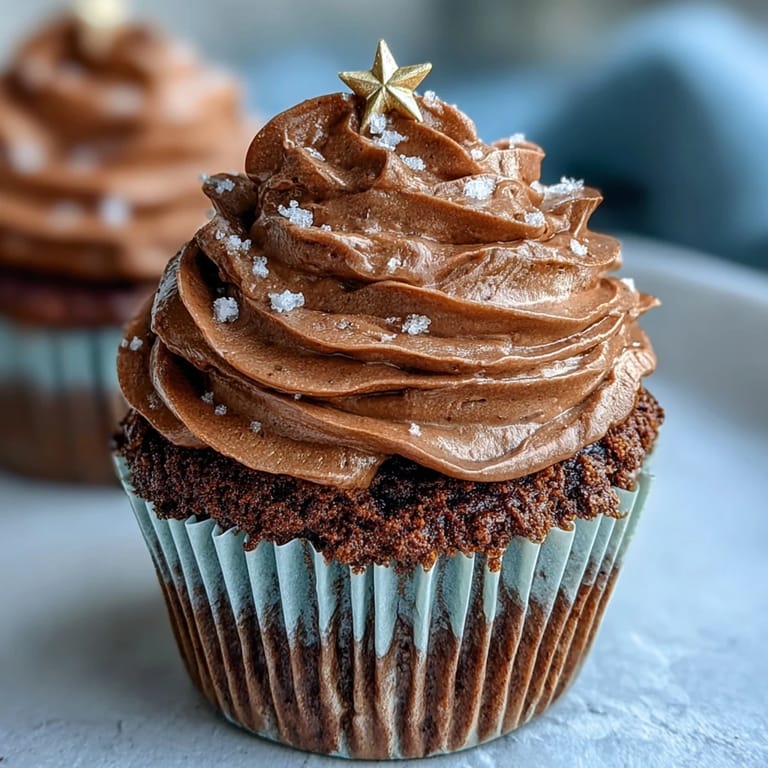
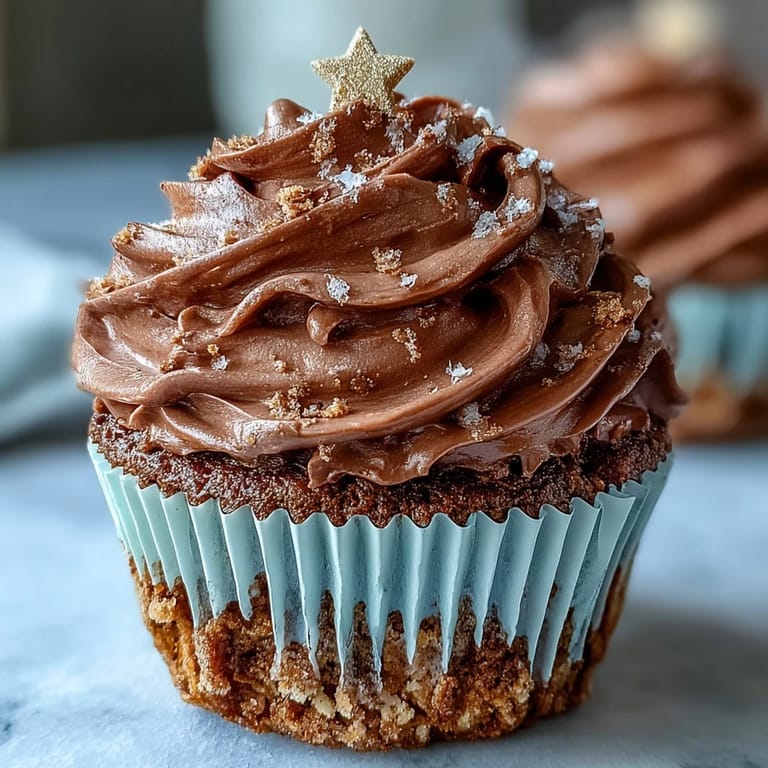
- Once the cupcakes are fully cool, pipe on generous swirls using a star tip—don’t stress about perfection, the rustic look is all part of the charm.
 Save
Save One spring evening, I brought a box of these cupcakes to a backyard picnic, and we passed them around on mismatched plates as the sun dipped behind blooming trees. The flavor, color, and laughter lingered in the air well past sunset—it was a little celebration that quietly marked the year turning and friendships growing deeper.
Finding Your Terracotta Shade
The magical part of these cupcakes is customizing the buttercream color. There’s something gleeful about watching the frosting shift from pale peach to a rich terracotta as you add drops of gel coloring—sometimes I need to step back to decide if I've captured exactly the right hue for the occasion.
Decorating Like a Taurus
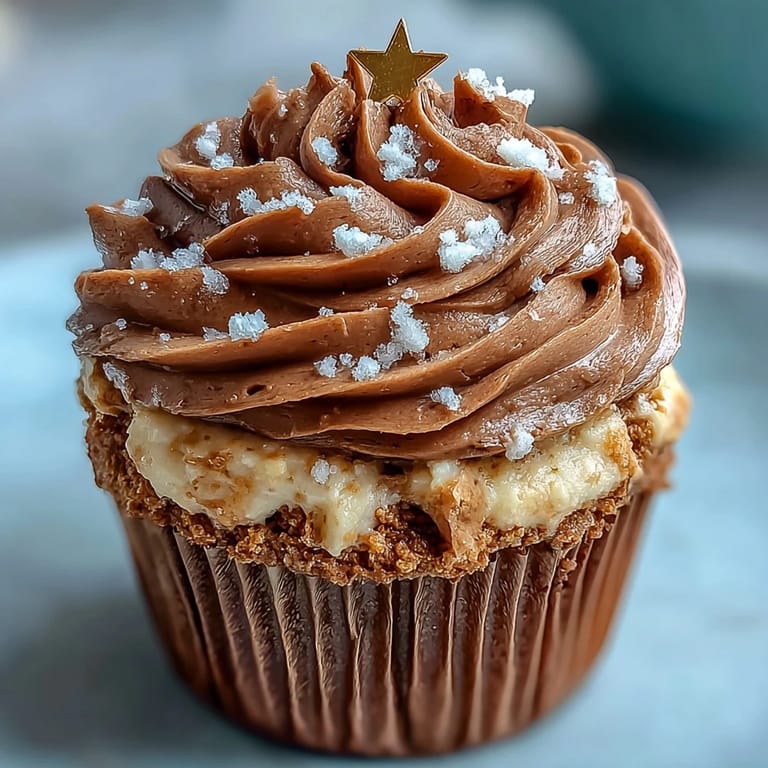
If you want to channel serious Taurus energy, sprinkle a few edible gold stars or dried flowers then give a light dusting of cinnamon over the top. Even a little extra garnish transforms each cupcake into its own tiny work of art (and instantly makes them more photo-worthy).
Cupcake Success, Every Time
After baking more cupcakes than I can count, I’ve picked up the importance of room temperature ingredients and a gentle hand on the mixer—especially for light, fluffy cakes like these. Overmixing leads to dense cupcakes, so as soon as things look incorporated and creamy, I stop. Piping is easier than it looks, and a star tip can cover a multitude of imperfections with a single flourish.
- If you don’t have a piping bag, a zip-top bag with the corner snipped off works in a pinch.
- Taste the buttercream before you color it, just to make sure it’s balanced.
- Always store extra frosted cupcakes loosely covered at room temperature for the softest texture.
 Save
Save Wherever and whenever you enjoy them, I hope these Taurus Birthday Cupcakes bring a little more joy and earthy elegance to your table. Sometimes, all it takes is a swirl of cinnamon-flecked buttercream to make a moment special.
Common Questions
- → How do I achieve a stable terracotta color?
Start with a base of orange gel, then add tiny drops of red and a touch of brown until the hue is warm and muted. Mix thoroughly between additions and remember gel color is concentrated—go slowly to avoid overshooting the shade.
- → Can I swap whole milk with plant milk?
Yes. Almond or oat milk work well in the batter and buttercream; they slightly change richness but keep moisture. If using plant milk, taste the buttercream and adjust sweetness or additional fat as needed for balance.
- → How do I prevent buttercream from being too soft?
Whip the butter until creamy, then gradually add powdered sugar. If the frosting is too soft, chill it briefly (10–15 minutes) and reduce the milk increment. Beat again just before piping for a stable texture.
- → What gives the cupcakes a tender crumb?
Use room-temperature eggs and milk, cream softened butter properly, and avoid overmixing once the flour is added. Measure flour by spooning and leveling to prevent a dense outcome, and bake until a toothpick comes out clean but the cake remains moist.
- → How should these be stored and served?
Store unfrosted cupcakes at room temperature for a day or refrigerate frosted cupcakes in an airtight container for up to 3 days. Bring to room temperature before serving for best texture and flavor.
- → Best tools and tips for piping neat swirls?
Use a star piping tip and a filled piping bag. Chill the buttercream slightly for firmer lines, hold the bag steady, start from the outside and spiral inwards. A quick twist at the end gives a defined peak.