 Save
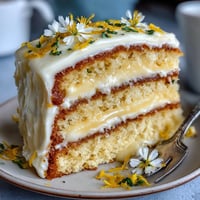
Save My cousin texted me three weeks before her graduation asking if I could bake something for her party, and I'll admit my first instinct was to panic. Then she said, "Nothing fancy, just something everyone loves," and that's when this vanilla sheet cake became the obvious answer. There's something magical about a cake that feeds twenty-four people without requiring you to be a pastry chef, and this one has a way of disappearing faster than you'd expect. The fluffy crumb and silky buttercream remind me why sometimes the simplest desserts are the ones people actually remember.
I showed up to my cousin's backyard party with this cake still warm, and watching people come back for seconds made me realize this wasn't just another dessert. One of her friends told me it tasted "exactly like what graduation should taste like," which sounds silly but somehow made perfect sense. That's when I understood that celebrating someone's milestone deserves a cake that tastes homemade, generous, and unashamed of being straightforward delicious.
Ingredients
- All-purpose flour (3 cups): Don't sift it before measuring or you'll end up with a dense, disappointed cake—just spoon it into your measuring cup and level it off.
- Baking powder and baking soda (2½ tsp and ½ tsp): These are what make the cake rise and stay tender, so measure them seriously and don't skip the whisking step.
- Salt (½ tsp): It's not there to make the cake taste salty—it brightens the vanilla and keeps everything from feeling flat.
- Unsalted butter (1 cup for cake, 1 cup for frosting): Room temperature is non-negotiable here because cold butter won't cream properly, leaving you with a tough cake and grainy frosting.
- Granulated sugar (2 cups): This dissolves into the batter and creates that tender crumb, so regular table sugar is your friend.
- Eggs (4 large, room temperature): Cold eggs won't incorporate smoothly and can cause the batter to break or become lumpy.
- Vanilla extract (1 tbsp for cake, 2 tsp for frosting): Use the real stuff if your budget allows—the difference between real and imitation is honestly noticeable when vanilla is the star ingredient.
- Whole milk (1½ cups for cake, ¼ cup for frosting): Room temperature milk blends into the batter without shocking the temperature, which keeps the crumb consistent.
- Powdered sugar (4 cups, sifted): Sifting removes lumps before you mix it, saving you from a grainy frosting that looks like it's been through a fight.
- Graduation sprinkles or edible decorations: Pick colors that match the school or the celebration mood—this is where your personality shows up.
Tired of Takeout? 🥡
Get 10 meals you can make faster than delivery arrives. Seriously.
One email. No spam. Unsubscribe anytime.
Instructions
- Get your oven and pan ready:
- Preheat to 350°F and grease that sheet pan generously, then line it with parchment paper so the cake slides out without sticking or crumbling at the edges. I learned this the hard way when I tried to save a sheet of parchment and ended up scraping cake off the bottom of the pan.
- Mix your dry team:
- Whisk flour, baking powder, baking soda, and salt together in a medium bowl and set it aside—this ensures everything is evenly distributed and you don't end up with bitter streaks from concentrated baking soda.
- Cream butter and sugar:
- Beat them together for about three minutes until they look pale and fluffy, almost like fluffy clouds. This step incorporates air into the batter, which is what gives the cake its tender, airy crumb instead of a dense brick.
- Add eggs one at a time:
- Beat well after each egg so they fully incorporate before you add the next one. Rushing this step or dumping all the eggs in at once can make the batter separate, which sounds dramatic but does actually happen.
- Fold in vanilla and the dry-wet combo:
- Mix in the vanilla, then add half the dry ingredients, then half the milk, repeating with the rest, mixing gently each time. This careful alternating prevents overmixing, which is how you end up with a tough, rubbery cake that disappoints everyone.
- Bake until golden:
- Pour the batter into your prepared pan and spread it evenly, then bake for 28 to 32 minutes until a toothpick inserted in the center comes out clean or with just a few moist crumbs. The cake will look lightly golden brown when it's done, and your kitchen will smell like vanilla heaven.
- Cool it completely:
- Let the cake cool all the way down in the pan on a wire rack before frosting, otherwise the buttercream will melt into a sad puddle. This is the patience step, and yes, it matters.
- Make the frosting:
- Beat softened butter until it's creamy, gradually add the sifted powdered sugar while mixing on low speed, then add vanilla, milk, and salt, finishing with a high-speed beat for 2 to 3 minutes. The result should be fluffy, spreadable, and taste like vanilla clouds.
- Frost and decorate:
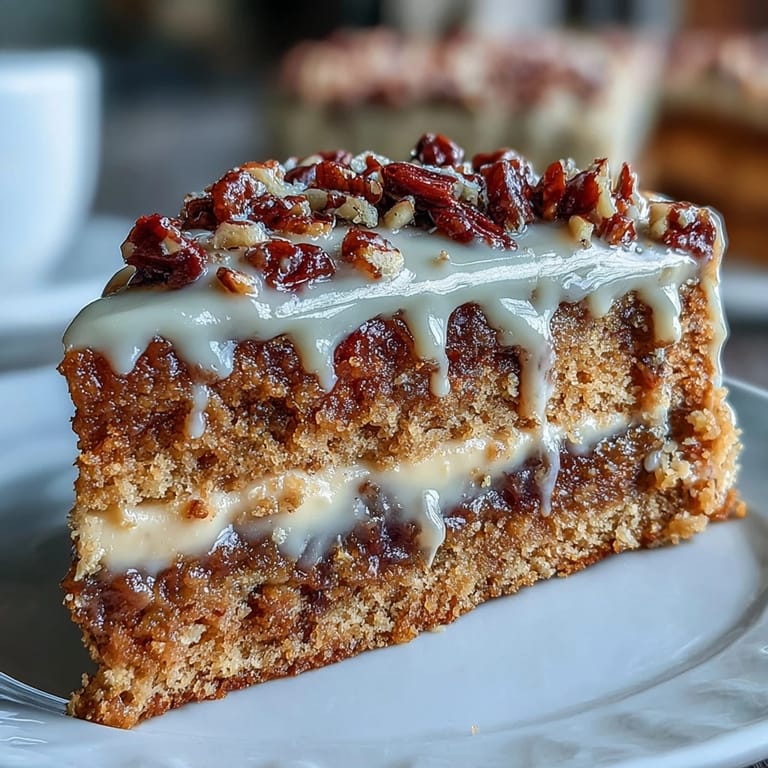
- Spread the frosting evenly over the cooled cake with a spatula, getting it as smooth or rustic as you want it to look. Then grab those graduation sprinkles and make it festive—this is the fun part where the cake actually becomes a celebration.
 Save
Save The moment I realized this cake had become something special was when my cousin's dad asked for the recipe. He was a construction worker who usually grabbed whatever was closest at the bakery, and hearing him say it tasted like "real homemade" felt like the highest compliment. That's when I understood that celebrating milestones doesn't require complexity—it just requires showing up with something made with actual care.
Why a Sheet Cake Works for Celebrations
Sheet cakes are the unsung heroes of group celebrations because they feed more people than you'd think, and they don't require you to master fancy decorating techniques. You can frost it smooth and minimal or pile on decorations with zero judgment, and it tastes incredible either way. The half-sheet size is also forgiving—it's big enough to impress but small enough to fit in most ovens without drama.
The Vanilla Question
When vanilla is the star ingredient, using real vanilla extract instead of imitation actually matters because imitation can taste chemical and one-dimensional. Real vanilla has this subtle warmth that makes people pause and say, "Wait, what's in this?" even though they can't quite name it. Some people swear by adding a pinch of almond extract to deepen the flavor, and honestly, that's worth experimenting with if you're feeling adventurous.
Frosting and Storage Wisdom
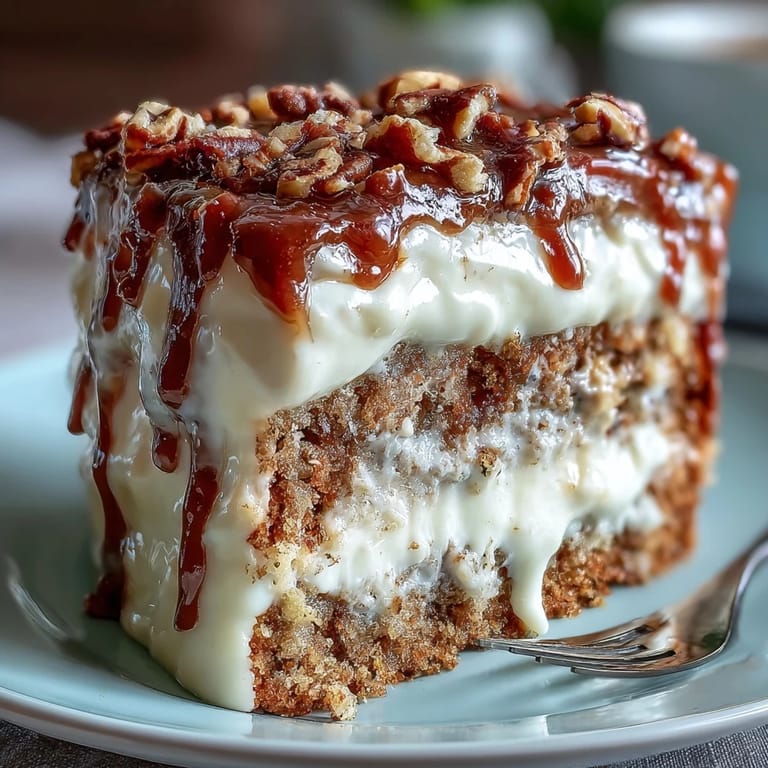
The buttercream frosting is thick enough to hold decorations but soft enough to spread smoothly, and it actually tastes like butter and vanilla instead of just sugar. Leftover cake keeps covered at room temperature for a day, or refrigerated for up to four days, and it somehow tastes better on day two when the flavors have settled into each other. If you're making this ahead for a party, frost it the morning of so the frosting stays creamy and doesn't get weird and tacky from sitting too long.
- For school colors, add gel food coloring to the frosting a little at a time—it's way easier to add more color than to fix it if you go overboard.
- Use a piping bag if you want to write the graduate's name or the class year, or just scatter sprinkles if you're keeping it simple.
- This recipe doubles beautifully if you need to feed even more people, just use two sheet pans and keep an eye on baking time.
 Save
Save This cake has become my go-to for anyone celebrating something worth celebrating, and I hope it becomes yours too. There's something about feeding people well during their milestones that feels like love, and this vanilla cake delivers on that promise every single time.
Common Questions
- → How do I ensure the cake stays moist?
Use room temperature butter, eggs, and milk to create a smooth batter and avoid overbaking. Baking until a toothpick comes out clean helps prevent dryness.
- → Can I substitute ingredients for dietary needs?
Yes, gluten-free baking blends can replace all-purpose flour without altering texture significantly. Make sure to check all decorations for allergens.
- → What is the best way to decorate the cake for celebrations?
After spreading the vanilla buttercream evenly, add themed sprinkles or edible decorations. Using piping bags allows for creative borders or writing.
- → How long should the cake cool before frosting?
Allow the cake to cool completely on a wire rack to prevent melting the buttercream or causing it to slide off.
- → Can I add extra flavors to the vanilla cake?
Adding ½ teaspoon of almond extract to the batter enhances flavor without overpowering the vanilla base.