 Save
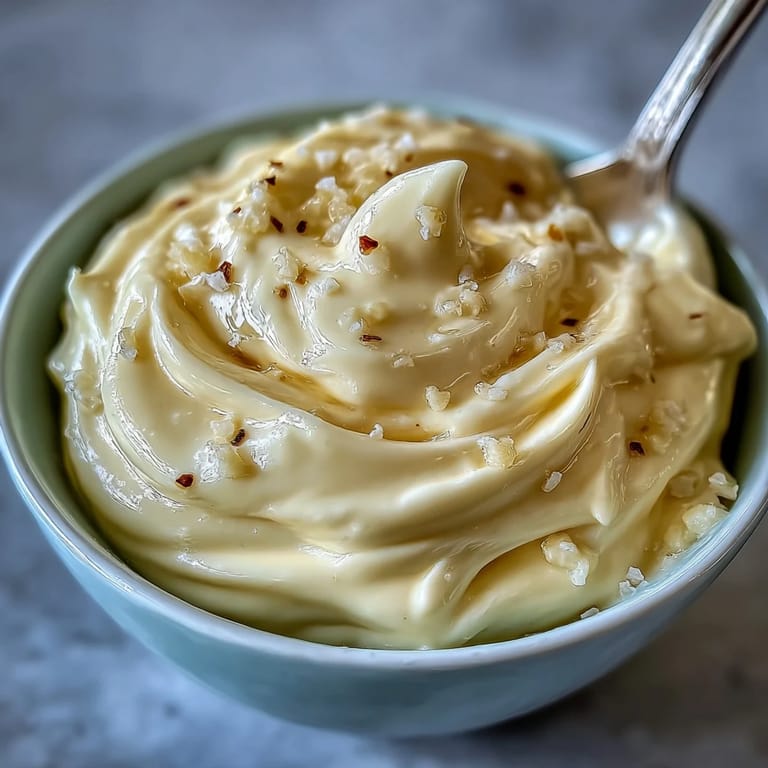
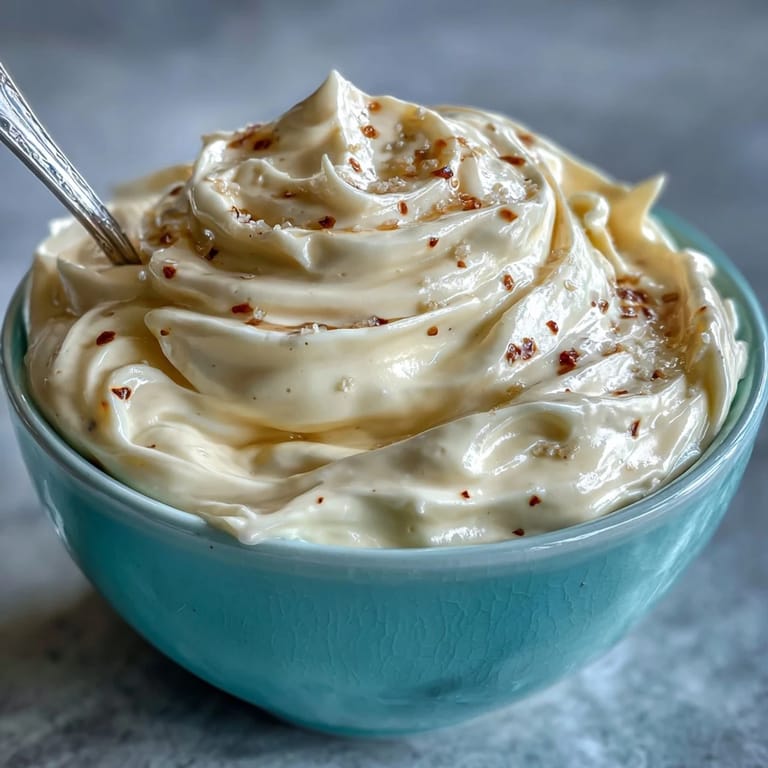
Save Most mornings start quietly in my kitchen, but the first time I made homemade garlic aioli, the sound of whisking seemed to fill the whole apartment. The sharp aroma of freshly minced garlic mixed with the bright zing of lemon teased my nose, promising something playful. Instead of buying a jar, I wanted to see if I could pull off the creamy texture myself—and I’ve rarely bought store-made since. There’s a small thrill watching the glossy emulsion form, as if you’ve conjured something magical with just a bowl and a whisk. It’s become my go-to trick for a dip that impresses without fuss.
I made this aioli for a friend’s impromptu fry night: shoestring potatoes, newspapers for napkins, and all of us crowding around the counter with greasy fingers. Passing around the bowl, we found ourselves dunking everything in it—even raw carrots and cold leftover shrimp got the aioli treatment. Laughter echoed off the tile when someone tried licking the whisk. Now, whenever there’s a gathering, someone always asks, did you make the garlic sauce?
Ingredients
- Egg yolk: Using a room temperature yolk really helps the emulsion hold, and a fresh egg always yields a richer taste.
- Dijon mustard: A spoonful folds everything together and gives a subtle, pleasant bite—don’t skip it.
- Lemon juice: I’ve learned that fresh juice, never bottled, balances the richness and keeps it from tasting flat.
- Neutral oil (sunflower or canola): Choose something with no strong flavor, or the garlic and lemon can’t shine through.
- Garlic cloves: I like mine finely grated for the smoothest aioli, but a little chunk isn’t a problem if you love boldness.
- Sea salt: It sharpens the flavors without overpowering them—add a pinch at a time and taste as you go.
- Freshly ground black pepper: The pepper’s warmth pops against the cool creaminess, so don’t hold back on a couple grinder turns.
Tired of Takeout? 🥡
Get 10 meals you can make faster than delivery arrives. Seriously.
One email. No spam. Unsubscribe anytime.
Instructions
- Whisk the base:
- Grab your medium bowl and whisk together the egg yolk, Dijon mustard, and lemon juice until smooth and you see it start to thicken—don’t rush this part.
- Add the oil, slowly:
- Start with just drops of oil at first, whisking like your life depends on it—once you see the mixture get glossy and thick, pour the rest of the oil in a thin stream while you keep whisking.
- Mix in the flavorings:
- Stir in your garlic, salt, and a good amount of black pepper; smell the garlic bloom into the sauce as you stir.
- Taste and adjust:
- Give it a taste—is it punchy, creamy, balanced? Adjust with more lemon, salt or pepper as you like.
- Chill and serve:
- Spoon the aioli into a jar or bowl, cover, and chill; a brief rest in the fridge lets the flavors mellow and blend wonderfully.
 Save
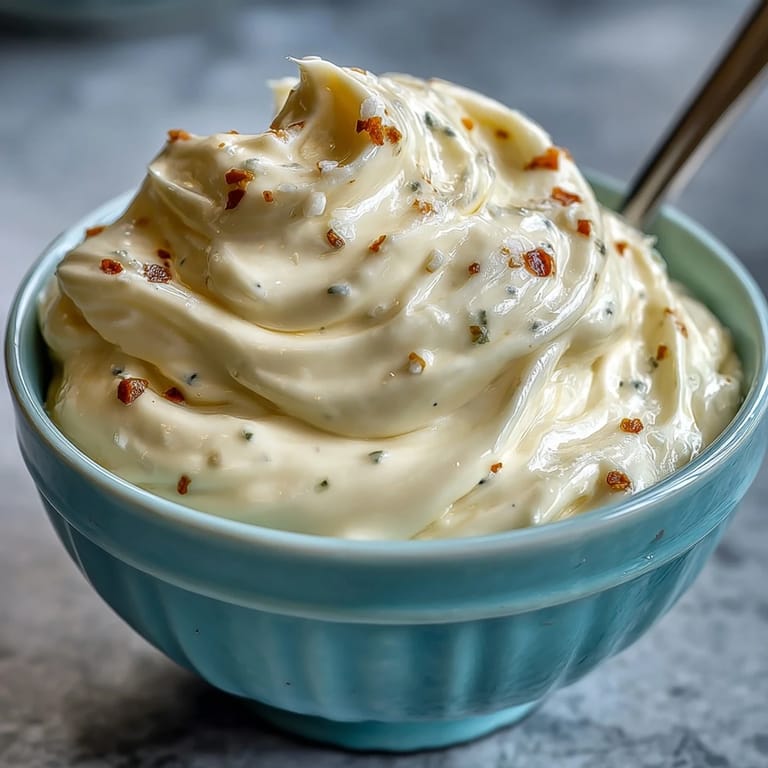
Save I’ll never forget the evening my little cousin insisted on spreading aioli over his grilled cheese, calling it magic mayonnaise. That one experiment turned the ordinary into a family in-joke—everyone requests it now, regardless of what’s on the menu.
Keeping Your Aioli Fresh and Flavorful
Once you’ve made fresh aioli, storing it properly keeps its punch and creamy texture intact. I always use a clean glass jar and tuck it toward the back of the fridge, where it stays coldest.
Easy Variations for Every Mood
I’ve tried adding smoked paprika for depth on burger night and a touch of chopped parsley for bright summer lunches. Aioli always adapts—sometimes I even toss in chopped pickles for a makeshift tartar sauce.
Little Troubleshooting Tricks
If your aioli ever starts to look curdled or thin, don’t panic—it’s fixable. Mix a fresh egg yolk in a new bowl, then slowly whisk in your split mixture and it should come back together.
- Dampening your whisk hand with a towel helps keep it steady on the slow oil pour.
- For less heat, roast the garlic first—the texture stays just as creamy.
- Always taste before chilling, since flavors mellow in the fridge.
 Save
Save After a bit of whisking and a kitchen scent you won’t soon forget, homemade aioli becomes less of a recipe and more of a kitchen ritual. Pass the fries—and have a spoon handy for sneaky tastes.
Common Questions
- → How can I make the aioli less pungent?
Use roasted garlic instead of raw to create a milder, sweeter flavor profile that’s less intense.
- → Can I make it without egg yolk?
Substitute the egg yolk with aquafaba for a vegan option, and increase the amount of mustard slightly for best results.
- → What type of oil works best?
Neutral oils like sunflower or canola are ideal, as they allow the garlic and lemon flavors to shine.
- → How do I keep the aioli from breaking?
Add the oil slowly and whisk constantly to ensure the mixture emulsifies smoothly and doesn't separate.
- → How long can homemade aioli be stored?
Store in a covered jar in the refrigerator; it stays fresh and safe to use for up to three days.
- → Is this spread gluten-free?
Yes, this aioli is naturally gluten-free as long as you check all ingredient labels for cross-contamination.