 Save
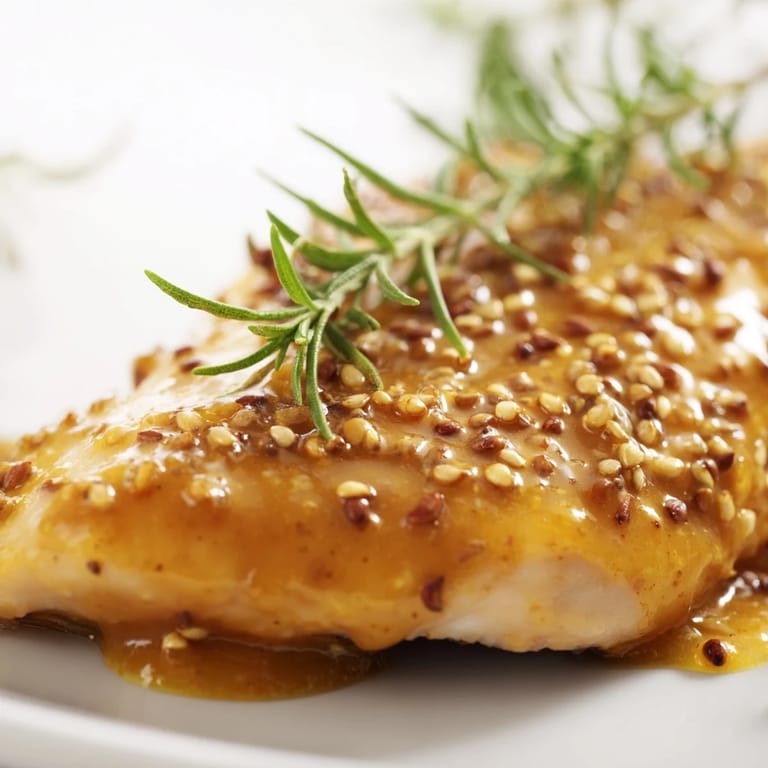
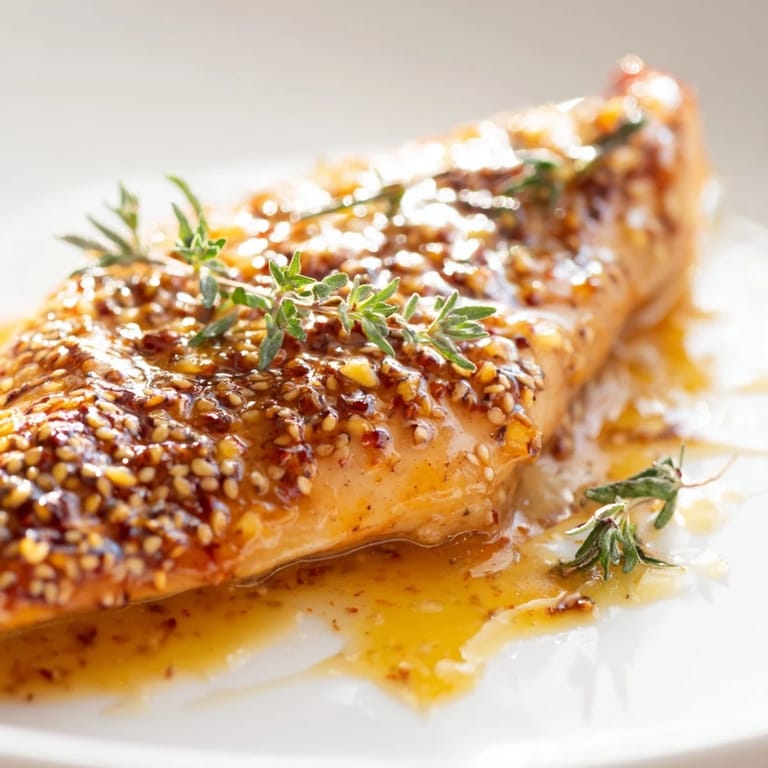
Save There's something about the smell of mustard seeds toasting in a hot pan that always pulls me back into the kitchen, even when I'm tempted to order takeout. This skillet became my answer to those nights when I wanted something that tasted thoughtful without requiring much thought at all. The honey cuts through the sharpness of the Dijon in a way that makes every bite feel a little indulgent, and the chicken stays so tender you barely need a knife. I've made this more times than I can count, and it never loses its charm. It's the kind of recipe that makes you look like you tried harder than you did.
I first made this for my sister when she came over unannounced, and I had almost nothing planned. She stood by the stove, dipping bread into the sauce before I'd even plated it, and told me I should make it every time she visits. Now it's become our unofficial tradition. There's something about watching someone you care about enjoy food you made that makes even the simplest dinner feel significant. It's not about perfection, it's about the moment when the kitchen smells good and someone says, 'Wait, you made this?'
Ingredients
- Boneless, skinless chicken breasts: The lean base that soaks up the sauce beautifully, but make sure to pat them dry before searing so they brown instead of steam.
- Dijon mustard: This is where the tang lives, use a good quality brand because it's the backbone of the flavor.
- Honey: Balances the mustard's bite and helps the sauce caramelize slightly as it simmers.
- Whole-grain mustard: Adds texture and a rustic depth that smooth Dijon alone can't give you.
- Garlic: Fresh is non-negotiable here, jarred garlic just doesn't bloom the same way in hot oil.
- Apple cider vinegar: Brightens everything and keeps the sweetness from feeling heavy.
- Low-sodium chicken broth: Thins the sauce just enough to let it simmer without burning, and you control the salt level.
- Fresh thyme and rosemary: These herbs bring an earthy warmth that makes the whole dish smell like a Sunday roast.
- Kosher salt and black pepper: Simple seasoning that lets the sauce shine without competing.
- Olive oil: For searing the chicken with a clean, light flavor that doesn't interfere.
- Fresh parsley: A bright, grassy finish that makes the plate look alive.
Tired of Takeout? 🥡
Get 10 meals you can make faster than delivery arrives. Seriously.
One email. No spam. Unsubscribe anytime.
Instructions
- Prep the chicken:
- Pat each breast completely dry with paper towels, then season both sides with salt and pepper. Dry skin means a better sear, and a better sear means more flavor locked in.
- Sear the chicken:
- Heat olive oil in a large skillet over medium-high heat until it shimmers, then lay the chicken in gently and let it sizzle undisturbed for 3 to 4 minutes per side until golden brown. Transfer the chicken to a plate and don't worry if it's not cooked through yet, it will finish in the sauce.
- Sauté the garlic:
- Lower the heat to medium, add the minced garlic to the same skillet, and stir for about 30 seconds until it smells toasty and fragrant. Don't let it burn or it'll taste bitter.
- Build the sauce:
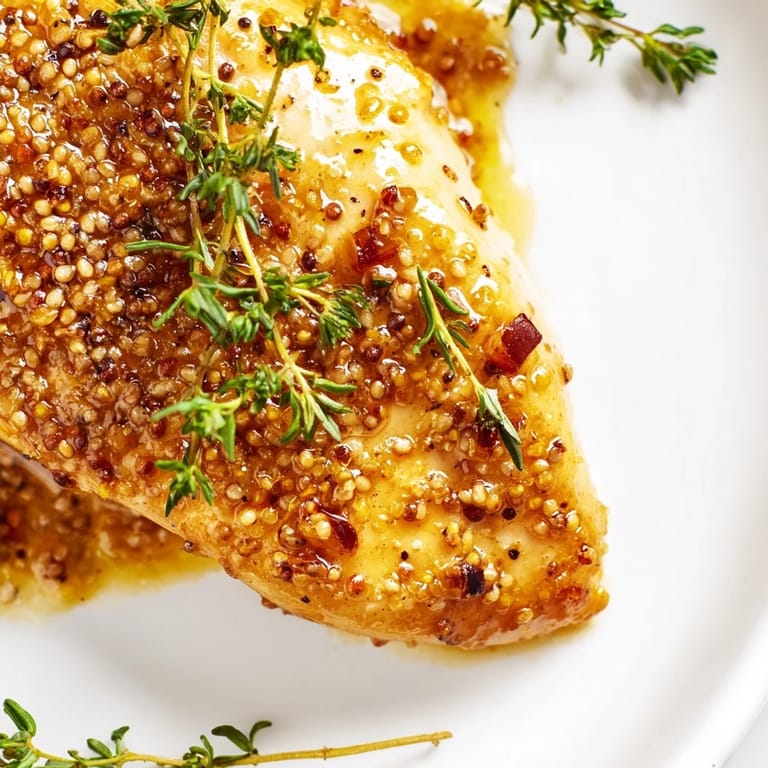
- Whisk together the Dijon mustard, whole-grain mustard, honey, apple cider vinegar, and chicken broth right in the skillet, scraping up any browned bits from the bottom. Bring it to a gentle simmer and watch it start to thicken just a little.
- Add herbs and chicken:
- Stir in the thyme and rosemary, then nestle the chicken breasts back into the sauce and spoon some over the tops. Cover the skillet and let everything simmer together for 10 to 12 minutes until the chicken reaches 165°F inside.
- Thicken and finish:
- Remove the lid, turn the heat up slightly, and let the sauce bubble uncovered for 2 to 3 minutes to concentrate the flavors. Garnish with chopped parsley and serve straight from the skillet.
 Save
Save One night I served this with a simple pile of mashed potatoes, and my friend scraped his plate so clean I thought he might lick it. He asked if I'd learned it from a cookbook, and I realized I'd just been winging it based on what I had in the fridge. That's when I understood that good cooking isn't about following every rule, it's about understanding how flavors work together and trusting yourself enough to let them. This dish taught me that lesson gently, and I'm grateful for it every time I make it.
Serving Suggestions
This chicken feels at home next to almost anything starchy that can soak up the sauce. I've served it over rice, alongside mashed potatoes, with crusty bread, and even spooned over soft polenta. Roasted vegetables like carrots, green beans, or Brussels sprouts add color and a slight char that contrasts nicely with the sweetness of the honey. A simple green salad with a tart vinaigrette cuts through the richness and makes the whole plate feel balanced.
Substitutions and Variations
If you prefer dark meat, swap in boneless chicken thighs and add a couple extra minutes to the simmer time since they take a bit longer to cook through. For a creamier version, stir in two tablespoons of heavy cream at the very end and let it warm through without boiling. You can also add a handful of spinach or kale in the last few minutes of cooking for some green without much effort. If you're out of apple cider vinegar, white wine vinegar or even a squeeze of lemon juice will work in a pinch.
Storage and Reheating
Leftovers keep well in an airtight container in the fridge for up to three days, and the flavors deepen as they sit. Reheat gently on the stovetop over low heat with a splash of chicken broth or water to loosen the sauce, stirring occasionally so nothing sticks. You can also microwave individual portions, but I find the stovetop keeps the chicken more tender. If you're meal prepping, this dish holds up beautifully and makes weekday lunches feel a little less routine.
- Store chicken and sauce together so the meat stays moist.
- Freeze portions in individual containers for up to two months.
- Thaw overnight in the fridge and reheat gently for best texture.
 Save
Save This skillet has earned its place in my regular rotation, not because it's flashy, but because it's reliable and comforting in all the right ways. I hope it becomes one of those recipes you reach for without thinking, the kind that makes dinner feel easy and worth sitting down for.
Common Questions
- → Can I use chicken thighs instead of breasts?
Yes, chicken thighs work wonderfully in this dish. They're naturally juicier than breasts and will stay moist throughout cooking. Increase the simmering time to 15-18 minutes to ensure they're cooked through.
- → How do I make the sauce thicker?
After the chicken is cooked, remove the lid and simmer uncovered for 2-3 minutes over slightly higher heat. The sauce will reduce and thicken naturally. For a creamier texture, stir in 2 tablespoons of heavy cream at the end.
- → What sides pair best with this dish?
This honey Dijon chicken pairs beautifully with rice, mashed potatoes, or roasted vegetables like broccoli and carrots. The creamy or starchy sides complement the tangy-sweet sauce perfectly.
- → Is this truly gluten-free?
As written, yes. However, always check the labels on your chicken broth and mustard, as some brands may contain hidden gluten. Look for certified gluten-free products if you have celiac disease or gluten sensitivity.
- → Can I prepare this ahead of time?
You can prep the sauce ingredients and measure them ahead. However, it's best to cook this dish fresh, as searing the chicken right before cooking ensures the best texture and flavor.
- → What wine pairs with this dish?
A lightly oaked Chardonnay complements the honey Dijon sauce beautifully. The wine's buttery notes and acidity balance the sweet and tangy flavors perfectly.