 Save
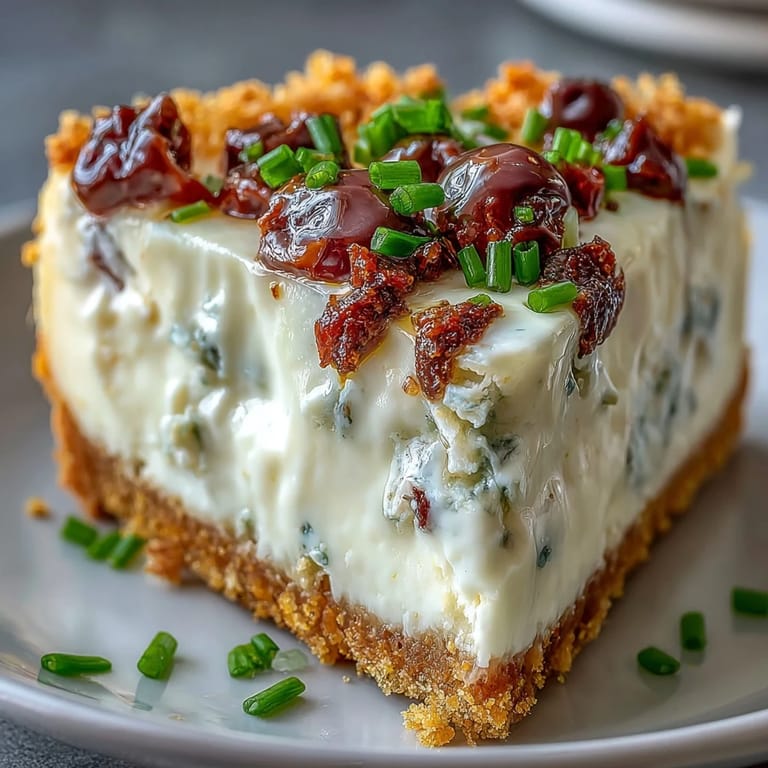
Save I stumbled on this recipe after a party planning disaster when I realized I had nothing but cheese, olives, and leftover breadcrumbs in my fridge. My friend was hosting a Greek-themed potluck the next day, and I needed something impressive fast. I threw together this savory cheesecake on a hunch, and it disappeared before the main course even hit the table. Now it's my go-to whenever I want to look like I spent hours in the kitchen without actually doing so.
The first time I served this at a dinner party, someone asked if I had ordered it from a gourmet deli. I laughed and said I made it that morning while still in my pajamas. The room went quiet for a second, then everyone wanted the recipe. It became my secret weapon for potlucks, book clubs, and even a few romantic dinners where I wanted to seem more culinarily gifted than I actually am.
Ingredients
- Plain breadcrumbs: These form the savory crust base, and I prefer using panko for extra crunch, though regular breadcrumbs work just fine.
- Unsalted butter: Melted butter binds the crust together and adds richness without overwhelming the herbs.
- Dried oregano: A classic Greek herb that brings warmth to the crust and hints at the Mediterranean flavors to come.
- Ground black pepper: Just a pinch adds subtle heat and depth to the buttery crust.
- Cream cheese: The creamy foundation of the filling, make sure it's fully softened or you'll end up with lumps no matter how much you beat it.
- Ricotta cheese: This lightens the texture and adds a delicate milkiness that balances the tang of the cream cheese.
- Grated Parmesan cheese: Brings a sharp, salty punch that deepens the savory profile of the whole dish.
- Large eggs: They bind everything together and give the cheesecake that signature smooth, set texture.
- Dried thyme: Earthy and slightly minty, thyme pairs beautifully with lemon and olives.
- Lemon zest: Freshly grated zest brightens the filling and cuts through the richness with a citrusy lift.
- Whole milk: A splash loosens the filling just enough to make it silky and pourable.
- Pitted Kalamata olives: The star ingredient, offering briny, fruity flavor that makes this cheesecake unforgettable.
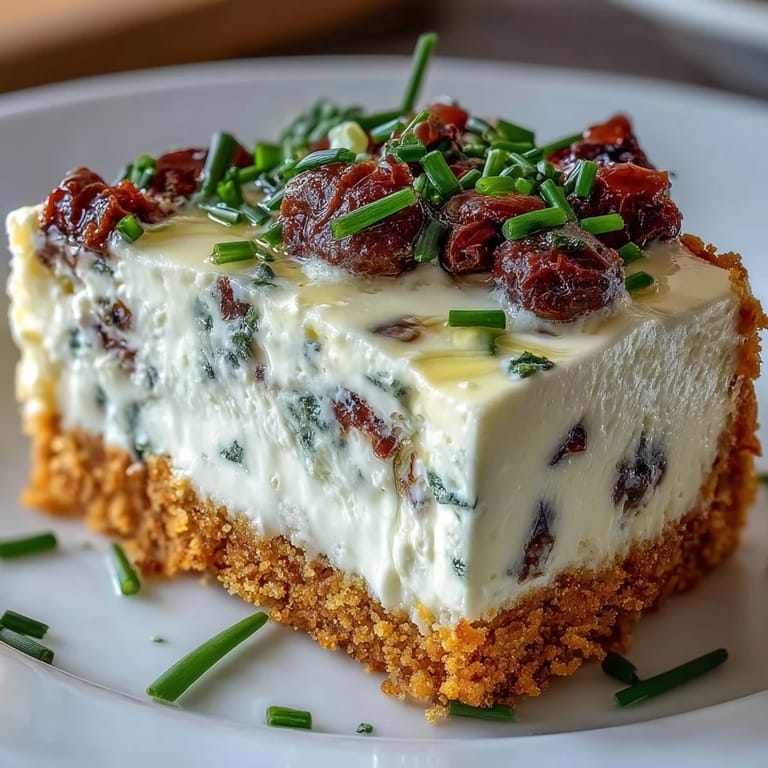
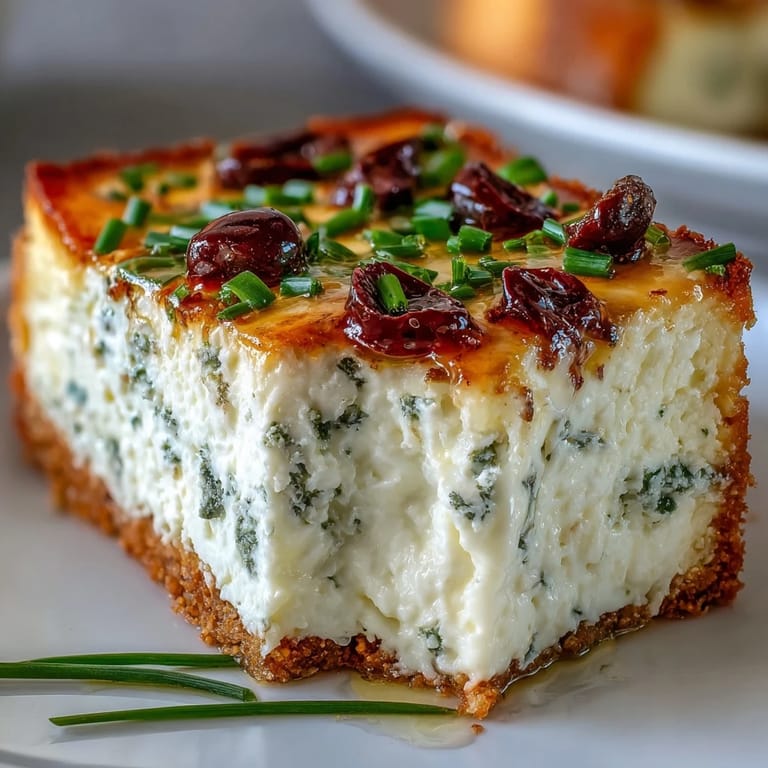
- Fresh chives: Finely chopped chives add a mild onion flavor and little green flecks that look beautiful when you slice into it.
- Salt and black pepper: Season to taste, but go light on the salt since the olives and Parmesan are already quite salty.
- Sliced Kalamata olives for garnish: A few slices on top signal exactly what flavor adventure awaits inside.
- Fresh parsley: Chopped parsley adds color and a fresh herbal note right before serving.
- Extra virgin olive oil: A drizzle on top adds gloss, richness, and a final Mediterranean flourish.
Tired of Takeout? 🥡
Get 10 meals you can make faster than delivery arrives. Seriously.
One email. No spam. Unsubscribe anytime.
Instructions
- Prep your pan:
- Preheat your oven to 325°F and lightly grease a 9-inch springform pan or line it with parchment paper. This step prevents sticking and makes releasing the cheesecake so much easier later.
- Make the crust:
- In a small bowl, mix breadcrumbs, melted butter, oregano, and pepper until the crumbs look like wet sand. Press the mixture firmly and evenly into the bottom of your prepared pan.
- Bake the crust:
- Pop the crust into the oven for 8 minutes until it just begins to set and smells toasty. Remove it and let it cool slightly while you prepare the filling.
- Blend the cheeses:
- In a large bowl, beat the cream cheese, ricotta, and Parmesan with an electric mixer or whisk until completely smooth and creamy. Scrape down the sides to make sure there are no lumps hiding.
- Add the eggs:
- Crack in the eggs one at a time, mixing well after each addition so they incorporate fully. This helps create that silky, even texture.
- Stir in the flavorings:
- Add thyme, lemon zest, milk, chopped olives, chives, salt, and pepper, then mix until everything is evenly distributed. The batter should smell bright, herby, and irresistible.
- Pour and smooth:
- Pour the filling over your cooled crust and smooth the top with a spatula. Tap the pan gently on the counter to release any air bubbles.
- Bake until set:
- Bake for 25 to 28 minutes, until the center is set but still has a slight jiggle when you shake the pan. It will firm up as it cools, so don't overbake or it may crack.
- Cool completely:
- Remove from the oven and let it cool to room temperature on a wire rack. Once cooled, cover and refrigerate for at least 2 hours or overnight.
- Garnish and serve:
- Before serving, top with sliced olives, a sprinkle of fresh parsley, and a generous drizzle of olive oil. Slice into small wedges or squares and watch them vanish.
 Save
Save One evening, I brought this to a small gathering of friends who were all convinced they didn't like savory cheesecakes. By the end of the night, they were scraping the pan and asking if I could make two next time. It was the moment I realized that food has this sneaky way of changing minds and bringing people together, one unlikely bite at a time.
Serving Suggestions
I love serving this cheesecake with crisp crackers, toasted baguette slices, or homemade crostini brushed with garlic oil. It also pairs beautifully with fresh vegetables like cucumber rounds, cherry tomatoes, or bell pepper strips for a lighter option. If you're feeling fancy, add a small bowl of marinated artichokes or roasted red peppers on the side. A chilled glass of white wine or sparkling water with lemon makes the perfect companion.
Storage and Make Ahead Tips
This cheesecake actually tastes better the next day after the flavors have had time to meld in the fridge. You can make it up to two days in advance, just wait to add the garnish until right before serving. Store it covered in the springform pan or transfer it to an airtight container. Leftovers keep well for up to four days, though in my experience they rarely last that long.
Customization Ideas
Once you get comfortable with the base recipe, it's fun to experiment with different mix-ins and toppings. I've added sun-dried tomatoes, roasted red peppers, and even crumbled feta for a more intense Greek vibe. Fresh dill or basil can replace the chives if that's what you have on hand. For a gluten-free version, simply swap in gluten-free breadcrumbs and you're good to go.
- Try adding a handful of toasted pine nuts to the filling for a subtle crunch and nutty richness.
- Swap Kalamata olives for green olives or a mix of both for a different flavor profile.
- Top with a dollop of tzatziki or a sprinkle of za'atar for an extra layer of Mediterranean flair.
 Save
Save This savory cheesecake has become more than just an appetizer in my kitchen, it's a conversation starter, a confidence booster, and proof that sometimes the best recipes are born out of necessity and a little bit of courage. I hope it brings as much joy to your table as it has to mine.
Common Questions
- → Can I make this appetizer ahead of time?
Yes, this savory cheesecake actually benefits from being made ahead. Prepare it up to 24 hours in advance, cover tightly, and refrigerate. Add the garnish just before serving for the freshest presentation.
- → What can I substitute for Kalamata olives?
You can use other brined olives like Castelvetrano, Nicoise, or even green olives. Each will bring a different flavor profile, but all work well with the creamy cheese base.
- → How do I prevent cracks in the cheesecake?
Avoid overmixing the batter once eggs are added, bake at the lower temperature specified, and don't overbake. The center should still have a slight wobble when you remove it from the oven.
- → Can this be served warm or must it be chilled?
While it needs to be chilled to set properly, you can serve it at room temperature after refrigeration. The flavors are most pronounced when not served ice-cold.
- → What other herbs work well in this dish?
Fresh dill, basil, or rosemary make excellent additions or substitutions. You can also experiment with za'atar or dried Italian herbs for different Mediterranean flavor profiles.
- → How should leftovers be stored?
Cover tightly with plastic wrap or store in an airtight container in the refrigerator for up to 4 days. The flavors will continue to meld and develop over time.