 Save
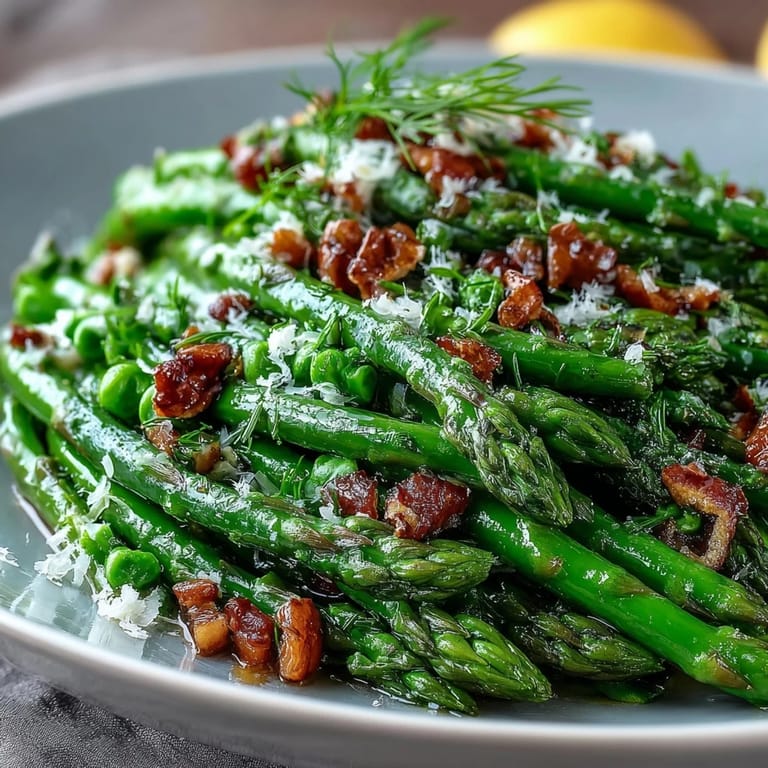
Save Last spring, I found myself standing in a farmers market on a Saturday morning, completely overwhelmed by how many beautiful vegetables had suddenly appeared. I grabbed a bunch of asparagus almost by accident, mostly because the vendor was enthusiastically talking about how tender they were this year. That afternoon, I realized I had no idea what to do with raw asparagus beyond grilling it, so I grabbed a vegetable peeler out of sheer curiosity—and the transformation was immediate. Those thin, delicate ribbons became something entirely different than what I expected, crisp and almost buttery in texture.
I brought a version of this to a potluck at a friend's place in May, and honestly, I made it because I was running late and it required zero cooking. What I didn't expect was watching people go back for thirds, or someone asking if I could make it for their family gathering the following week. It became my go-to move whenever I needed something that looked impressive but felt effortless—a salad that somehow made me seem more organized than I actually am.
Ingredients
- Fresh asparagus (1 bunch, about 300 g): The thinner the spears, the better they shave into delicate ribbons that don't need any cooking to taste tender—trim those tough woody ends where they naturally snap, and save them for stock later.
- Green peas (1 cup, 150 g): Fresh or frozen work equally well here, and frozen peas honestly skip some of the cooking step entirely, giving you a head start.
- Baby arugula or mixed spring greens (2 cups, 50 g): The peppery bite of arugula balances the sweetness of the peas, though any tender spring green will work if that's what you have on hand.
- Radishes (2, thinly sliced): These add a peppery crunch that would be missed if you left them out; they're not just decoration, they're the textural hero.
- Shaved Parmesan cheese (1/4 cup, 30 g): Use a vegetable peeler here too, creating large thin shards that melt slightly on the warm leaves rather than sitting like a bitter pile.
- Toasted pine nuts or slivered almonds (1/4 cup, 30 g): Toast these yourself in a dry pan for two minutes if you can—they taste exponentially better than the pre-toasted versions, and your kitchen will smell incredible.
- Extra-virgin olive oil (3 tbsp): This is the dressing's backbone, so use something you actually enjoy tasting on its own.
- Fresh lemon juice (2 tbsp): Bottled juice tastes flat here, so if you have a lemon, squeeze it yourself and taste the difference.
- Lemon zest (1 tsp): This adds a brightness that the juice alone cannot provide, little bursts of citrus oil scattered throughout.
- Honey or maple syrup (1 tsp): Just enough to balance the acidity without making it taste dessert-like, and it helps the dressing emulsify beautifully.
- Dijon mustard (1 tsp): A touch of mustard acts like an emulsifier and adds a subtle depth that guests never quite identify.
- Sea salt and black pepper (1/2 tsp and 1/4 tsp): Taste as you go here; the lemon is already salty in a way, so you might need less than you think.
Tired of Takeout? 🥡
Get 10 meals you can make faster than delivery arrives. Seriously.
One email. No spam. Unsubscribe anytime.
Instructions
- Shave the asparagus into ribbons:
- Hold each spear firmly and use your vegetable peeler to draw thin ribbons lengthwise, rotating the spear as you go—listen for that satisfying scrape sound, and stop when you reach the more fibrous core. Drop the ribbons directly into your salad bowl as you work.
- Gather the vegetables:
- Add the peas, arugula, and radish slices to the asparagus ribbons, tossing them together gently so nothing bruises—this is delicate work, not aggressive work.
- Build the dressing:
- In a small bowl or jar, combine the olive oil, lemon juice, zest, honey, mustard, salt, and pepper, then whisk vigorously for about thirty seconds until it looks thicker and slightly creamy. Taste it and adjust—if it tastes too sharp, add a touch more honey; if it feels flat, add more lemon juice.
- Dress and toss gently:
- Drizzle the dressing over your vegetables and toss with a light hand, just enough to coat everything evenly without crushing anything into submission—remember, these are delicate leaves and ribbons, not sturdy cabbage.
- Add the cheese and nuts:
- Scatter the Parmesan shards and toasted nuts over the top, either tossing gently one more time or simply leaving them as garnish so they don't disappear into the salad.
- Serve immediately:
- This salad is best eaten right away while the asparagus ribbons are still crisp and the arugula hasn't begun to wilt from the warm dressing.
 Save
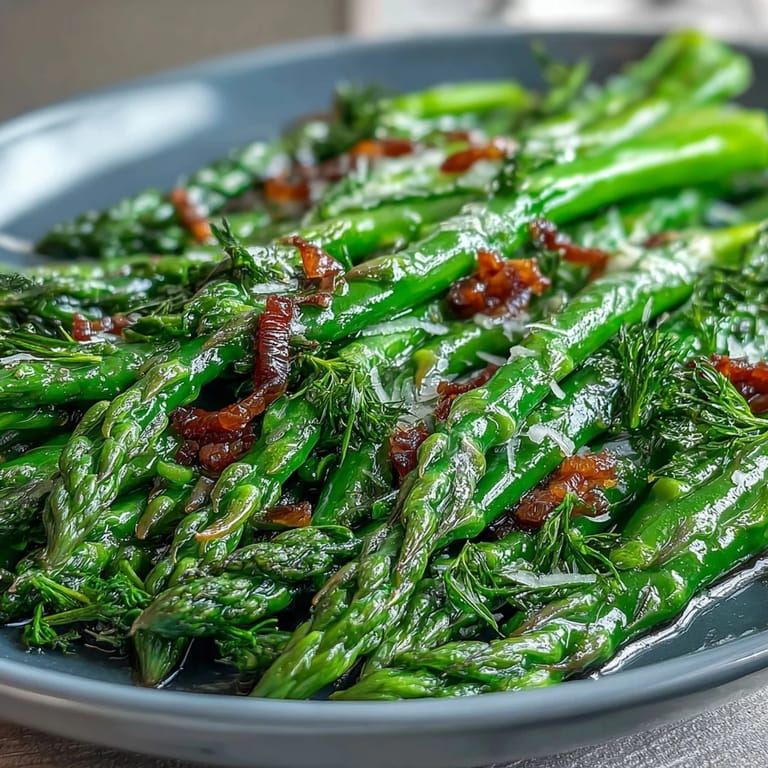
Save One afternoon, my mom came over just as I was finishing this salad, and she sat at the counter and ate almost half of it while I was still plating it. She didn't say much, just kept eating with this small satisfied expression, and afterward she said something like, 'This tastes like what healthy food should taste like,' which somehow meant more than if she'd raved about it. That moment taught me that a salad doesn't need to be complicated or dramatic to feel like a real accomplishment.
The Magic of Raw Asparagus
Most people have never had raw asparagus because tradition says it must be cooked, but this salad breaks that rule entirely. When you shave it thin, something shifts in the texture—it becomes almost silken, with a subtle sweetness that cooking would actually dull. The peeler is doing the real work here, transforming something fibrous into something tender through nothing but force of will and thin slicing.
Building Layers of Flavor
This salad works because every ingredient is playing a different role and none of them are competing for attention. The peas add sweetness, the radishes add bite, the arugula adds peppery funk, and the asparagus adds that tender, earthy foundation that holds everything together. The dressing is bright without being acidic, and the cheese and nuts add richness without making anyone feel guilty for eating salad.
Variations Worth Trying
The structure of this salad is forgiving, which means you can adjust it based on what you actually have and what you're in the mood for. Swap the peas for shelled fava beans if they're in season, or toss in some thinly sliced sugar snap peas for extra crunch and sweetness. Fresh mint or basil scattered on top adds a completely different flavor dimension, turning it from a spring salad into something almost Mediterranean, and you can easily make this vegan by omitting the cheese or using a plant-based alternative that actually melts.
- Grilled chicken or fish turns this from side dish into a complete meal without changing a single ingredient.
- If you're making this for a crowd, you can shave the asparagus and store it in a damp paper towel for a few hours, but dress it only right before serving.
- Leftover pine nuts or almonds can be stored in an airtight container and used for salads, grain bowls, or toast throughout the week.
 Save
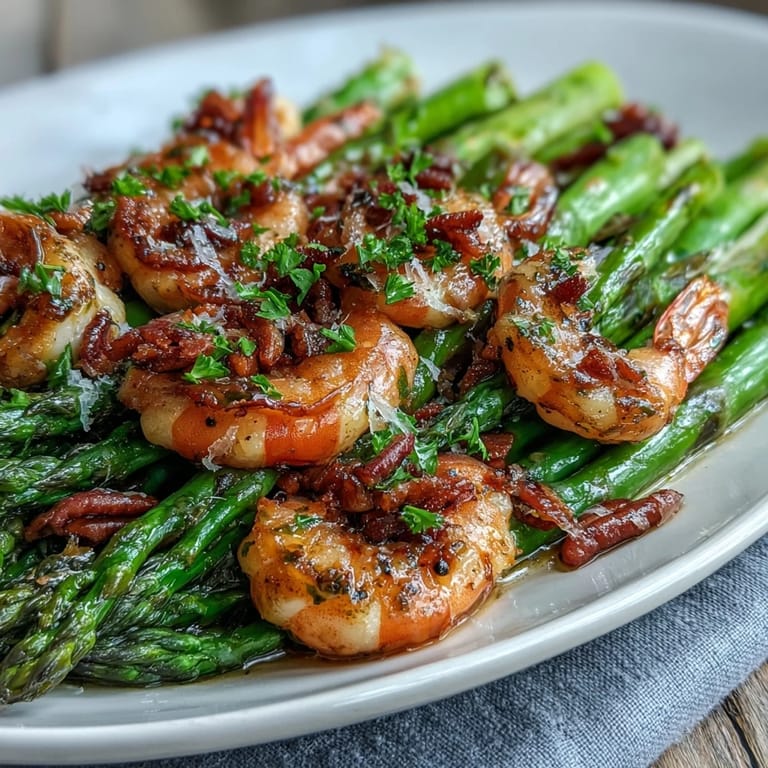
Save This salad has become my answer to the question of what to bring when someone asks you to bring something simple. It looks like you spent time on it, it tastes like spring distilled into a bowl, and it makes people feel like you actually care about feeding them well.
Common Questions
- → How do I properly shave asparagus for this salad?
Use a vegetable peeler to slice the asparagus stalks lengthwise into thin ribbons. This technique ensures a tender, crisp texture that blends well with other salad ingredients.
- → Can I substitute the pine nuts in the salad?
Yes, toasted slivered almonds or other nuts make excellent alternatives, adding crunch without overpowering the fresh flavors.
- → What fresh herbs complement this dish?
Fresh mint or basil can be added for extra aromatic notes that enhance the lemon dressing and greens.
- → How should the lemon dressing be prepared?
Whisk together extra-virgin olive oil, freshly squeezed lemon juice, lemon zest, honey or maple syrup, Dijon mustard, salt, and pepper until fully emulsified for a balanced, tangy dressing.
- → Is this salad suitable for gluten-free diets?
Yes, all ingredients are naturally gluten-free, making it a safe and flavorful option for gluten-sensitive individuals.